Essential Etiquette Tips for Visiting Other Cultures
Travel respectfully with practical etiquette tips on greetings, dress, dining, communication, gifts, and religious customs across cultures.
Respectful Greetings
First encounters set the tone for your entire trip, so approach greetings with intentional care. Observe how locals acknowledge one another before you jump in; a small bow, light handshake, or right-hand-only gesture can signal respect in different places. Prioritize first impressions by removing hats and sunglasses, making gentle eye contact, and offering a warm smile. Use titles and family names until invited to do otherwise, and avoid overly familiar terms of endearment. Be mindful of personal space; proximity that feels friendly at home may seem intrusive elsewhere. If you are unsure, mirror the host's pace, posture, and distance. When presenting business cards or documents, handle them with two hands and a brief nod. In some settings, hugs and cheek kisses are reserved for close acquaintances, so ask permission before initiating any touch. A few rehearsed phrases in the local language demonstrate humility and effort, signaling that you value the culture you are entering.
Dress and Modesty
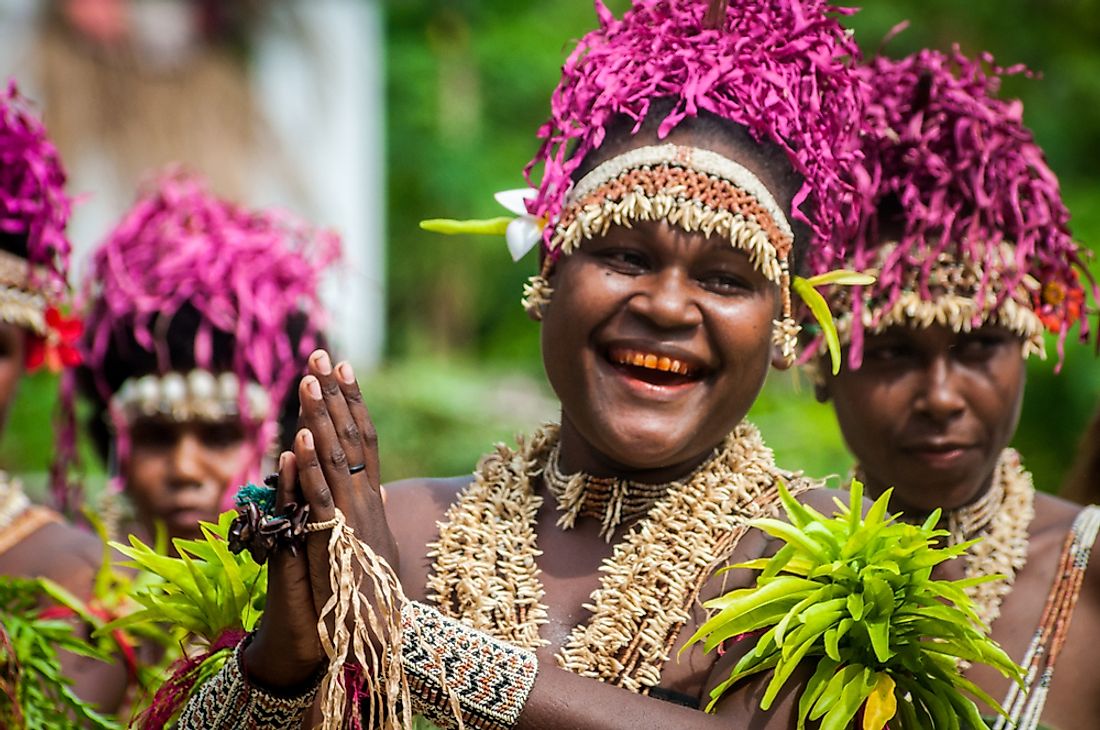
Clothing communicates respect, and understanding local dress code expectations helps you blend in and avoid discomfort. Research whether modest attire is preferred, including covered shoulders, knees, or a head covering at certain sites. Many households and sacred spaces require shoe removal, so wear socks in good condition and easy-on footwear. Keep beachwear at the beach, and opt for neutral colors and simple patterns in conservative areas. Be cautious with clothing that displays political slogans or culturally loaded symbols, and avoid garments that could be mistaken for ceremonial wear. Layers let you adapt to indoor air-conditioning or outdoor heat while remaining respectful. If you wear accessories, choose understated options that do not clatter or distract during quiet moments. For photographers, consider how your clothing blends into sensitive environments, particularly in religious or community settings. Thoughtful attire is not about suppressing self-expression; it is about signaling cultural awareness and prioritizing the comfort and customs of your hosts.
Dining Etiquette
Food is a gateway to connection, but table manners vary widely. Learn whether it is polite to wait for the host to invite you to eat or to begin after a communal toast. In some regions, eating with the right hand is customary, while others use utensils or chopsticks; never stick chopsticks upright in a bowl, and place them on a rest when pausing. Sharing dishes can be a sign of closeness; use serving utensils when offered and avoid reaching across plates. Finishing everything may show appreciation in some places, while leaving a small portion is preferred in others. Slurping, burping, or talking loudly at the table may be acceptable or frowned upon depending on local norms. If you abstain from alcohol or certain foods for health or faith reasons, state your dietary needs respectfully and privately when possible. Offer to contribute or reciprocate a meal later, showing gratitude through generosity rather than extravagance.
Communication Nuance
Successful cross-cultural travel requires awareness of communication styles and body language. Some cultures value directness, while others prize subtlety; listen for context, tone, and pauses to interpret meaning. Prolonged silence might signal thoughtfulness rather than disagreement, and quick answers can be seen as impatient. Adjust eye contact to match local norms, avoiding stares in settings where modesty or hierarchy matters. Point with an open hand instead of an index finger, and be cautious with familiar gestures like thumbs-up or the okay sign, which can carry different meanings. Posture and personal space communicate respect, as does a relaxed pace during introductions. Polite hedging—using words that soften requests—can keep conversations collaborative. Time also conveys values: punctuality may be strict for official appointments yet flexible for social gatherings. When in doubt, ask for clarification with curiosity and kindness, and mirror the tempo and politeness level of your host, prioritizing relationship-building over getting to the point quickly.
Gifts and Tipping
Thoughtful gift-giving can deepen relationships, but customs differ. Keep tokens modest and locally inspired, and avoid items that suggest extravagance or obligations. Presentation matters: wrap neatly, choose colors with cultural sensitivity, and consider offering or receiving with two hands. In some places, people may politely refuse a gift once or twice before accepting, and opening gifts in front of others might be discouraged. For tipping, practices vary widely. Some destinations include a service charge, while others expect cash tips for drivers, porters, or guides. Carry small denominations to avoid forcing change and to tip discreetly where appropriate. When unsure, ask a hotel concierge or trusted local for guidance. If tipping is not customary, express appreciation through a heartfelt thank you, a positive comment to a manager, or a written note. Above all, let gratitude guide your choices, ensuring your gesture respects local norms and honors the service provided.
Sacred Spaces
Visiting religious or culturally significant sites calls for elevated mindfulness. Dress with modesty, covering shoulders, knees, and hair where requested, and remove shoes when signs or hosts indicate. Keep your voice low, silence devices, and move slowly to maintain respect for those in prayer or reflection. Ask before taking photos, and honor photography restrictions; some objects, ceremonies, or people should not be captured. Avoid blocking pathways, stepping on thresholds, or touching sacred artifacts. Sit or stand where indicated, and follow any gender-specific seating or entry rules. If you observe a ritual, do so unobtrusively, prioritizing reverence over curiosity. Donations are often welcome; contribute discreetly if you feel moved. When unsure of protocol, watch a local, ask a guide, or rely on signage. Your goal is to participate as a careful guest, recognizing that sacred spaces preserve living traditions that deserve care, humility, and thoughtful attention.
Public Behavior and Responsibility
Public conduct reflects on you and on travelers as a whole, so practice consideration everywhere you go. Limit public displays of affection, moderate your voice on transit, and avoid eating in spaces where it is discouraged. Observe litter rules, carry reusable items to reduce waste, and respect wildlife and fragile environments with sustainable choices. Seek permission before photographing people, especially children, and honor a clear no. Follow local rules on alcohol consumption and refrain from controversial topics in casual conversation. Learn a few polite phrases in the local language to show goodwill, and be patient with service systems that operate differently from home. In markets, negotiate with respect, accept a fair price, and celebrate craftsmanship rather than haggling aggressively. When mistakes happen, apologize sincerely and adjust. Responsible travelers blend curiosity with humility, leaving places as they found them—or better—and building bridges through attentive listening, thoughtful behavior, and genuine appreciation.