Footwear Fundamentals: Build a Versatile Shoe Rotation
Build a smart shoe rotation that covers work, weekends, and weather. Learn core styles, colors, care, and buying order for lasting versatility.
Start With Lifestyle and Environment
Before you buy another pair, map your days: commute distance, office dress code, workout routine, social plans, and local climate. A great rotation is built on versatility and comfort, not hype. Identify the situations you face most and assign a shoe category to each: refined, casual, athletic, and weather-focused. Note your foot shape and typical fit issues—width, arch height, heel slip—so you can narrow lasts and closures that work. Establish a neutral palette first: black, brown, tan, white, navy, and gray deliver easy mixing with denim, tailoring, and dresses. Then add one or two accent colors for personality. Consider silhouette too: chunky soles skew casual, low-profile uppers read polished. Match materials to your environment—leather for durability and structure, suede for texture, and canvas for breathability. Finally, think weather readiness: save delicate finishes for clear days and plan waterproof options for rain or slush. Audit what you already own, noting gaps and duplicates. When you see roles instead of random pairs, your rotation starts to work harder.
Core Pairs That Do the Heavy Lifting
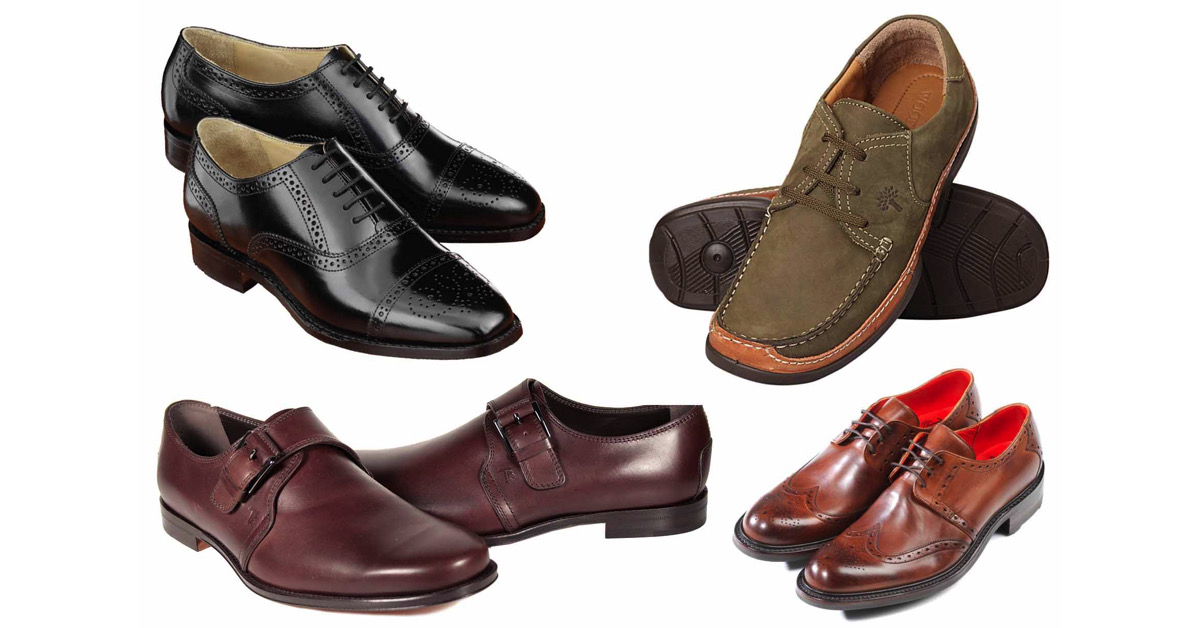
Build around four to six core pairs that carry most outfits. A clean pair of white leather sneakers anchors casual looks and softens tailoring without feeling sloppy. For refined moments, choose a sleek loafer or simple oxford or derby, keeping profiles minimal and toes gently rounded or almond for broad outfit compatibility. Add ankle boots—Chelsea or chukka—for transitional weather and instant polish with jeans, trousers, or midi skirts. Warm-weather days call for minimal sandals or neat slides with supportive footbeds and non-slip soles. If you regularly attend formal events, include a dedicated dress option such as a classic pump or refined dress shoe with a thin outsole. Prioritize quality construction, balanced proportions, and stable heel height tailored to your gait. Neutral colorways maximize wear, while subtle texture—grain leather or soft suede—adds interest. This core does the daily heavy lifting, freeing specialty pairs to be truly special without carrying your entire wardrobe.
Smart Additions for Seasons and Activities
Once the foundation is set, add pairs that address specific needs. For training, choose athletic trainers designed for your activity—running, gym work, or studio classes—valuing cushioning, stability, and secure lockdown. If weather turns messy, introduce waterproof boots with reliable tread and sealed seams, plus weatherproof sneaker alternatives in darker tones. Outdoor weekends may call for trail-friendly shoes or supportive hiking styles, while city summers benefit from breathable woven sneakers or strappy sandals with durable outsoles. For evening events, a statement heel or elegant dress shoe in satin, patent, or polished leather adds shine without overshadowing the outfit. Flats, ballet-inspired or pointed, bridge office and off-duty wardrobes with ease. Keep duplication minimal: one well-chosen option per role is better than many look-alikes. Plan a rotation schedule so pairs rest between wears, which reduces odor and preserves cushioning. These targeted additions expand range without bloating the closet, ensuring every pair earns its spot.
Fit, Comfort, and Care Keep Shoes Lasting
Great style fails without great fit. Try on in the afternoon when feet are slightly swollen, wear the socks you plan to use, and test for toe room, midfoot hug, and heel security. Break in leather gradually, using blister prevention, light flexing, and short first outings. Consider supportive insoles if you need arch help or shock absorption, and match socks to purpose—breathable for workouts, finer knits for dress shoes, cushioned for boots. Protect your investment with shoe trees, rotation between wears, and regular cleaning suited to materials: condition smooth leather, brush suede with a dedicated tool, and spot-clean canvas. Apply weatherproofing sprays where appropriate and let wet shoes dry away from direct heat. Replace worn heel caps and outsoles before damage spreads, and use a skilled cobbler for resole or stitching repairs. Proper storage—shaded shelves, dust bags for delicate pairs, and clear labeling—keeps shapes crisp. Comfort compounds with care, extending lifespan and elevating every outfit.
Styling, Color Strategy, and Buying Wisely
Think in outfits, not isolated pairs. Align proportions: chunky soles balance wide-leg trousers and relaxed denim, while slim profiles flatter tapered chinos, pencil skirts, and neat dresses. Mind trouser break and hem length so heels do not snag and sneakers do not disappear beneath fabric. Use color harmony to streamline choices—anchor with neutrals, repeat one accent color near the face or in accessories, and let metallics act as flexible neutrals at night. Decide where you want contrast: sneakers can sharpen a suit, while tonal boots elongate the leg. For travel, build a mini capsule of two to three pairs that mix across all outfits. Shop with cost per wear in mind, prioritizing quality over quantity and materials that suit your climate and habits. Aim for timeless shapes, repairable construction, and a simple care routine you will actually follow. The result is a lean, versatile rotation that looks intentional, feels comfortable, and adapts effortlessly to your life.