Hidden Coastal Towns You'll Fall in Love With
Discover serene, lesser-known coastal towns with turquoise bays, quaint harbors, and local flavors—perfect for slow days, sunsets, and soul-deep calm.
Harbor Whispers — There is a particular hush to hidden coastal towns that steals over you the moment the road narrows and the sea opens like a silver page. Instead of boardwalk blare, you get the knock of halyards, the scent of salt-laced breezes, and the soft shuffle of locals greeting one another by name. Color-washed cottages lean toward working harbors, lobster pots stack like sculpture, and morning light turns the tide line into a ribbon of glass. These places invite slow travel: lingering over a cinnamon bun from an artisan bakery, browsing a micro-gallery in a converted boathouse, tracing tide patterns from an old pier. You begin to notice the small cadences that make a village breathe: the mail skiff arriving, the bell buoy marking slack water, the chalkboard that lists today's catch. In these quiet corners, the reward is presence itself, a return to rhythms that feel less manufactured and more authentically coastal, as though the shoreline is setting the metronome for your day.
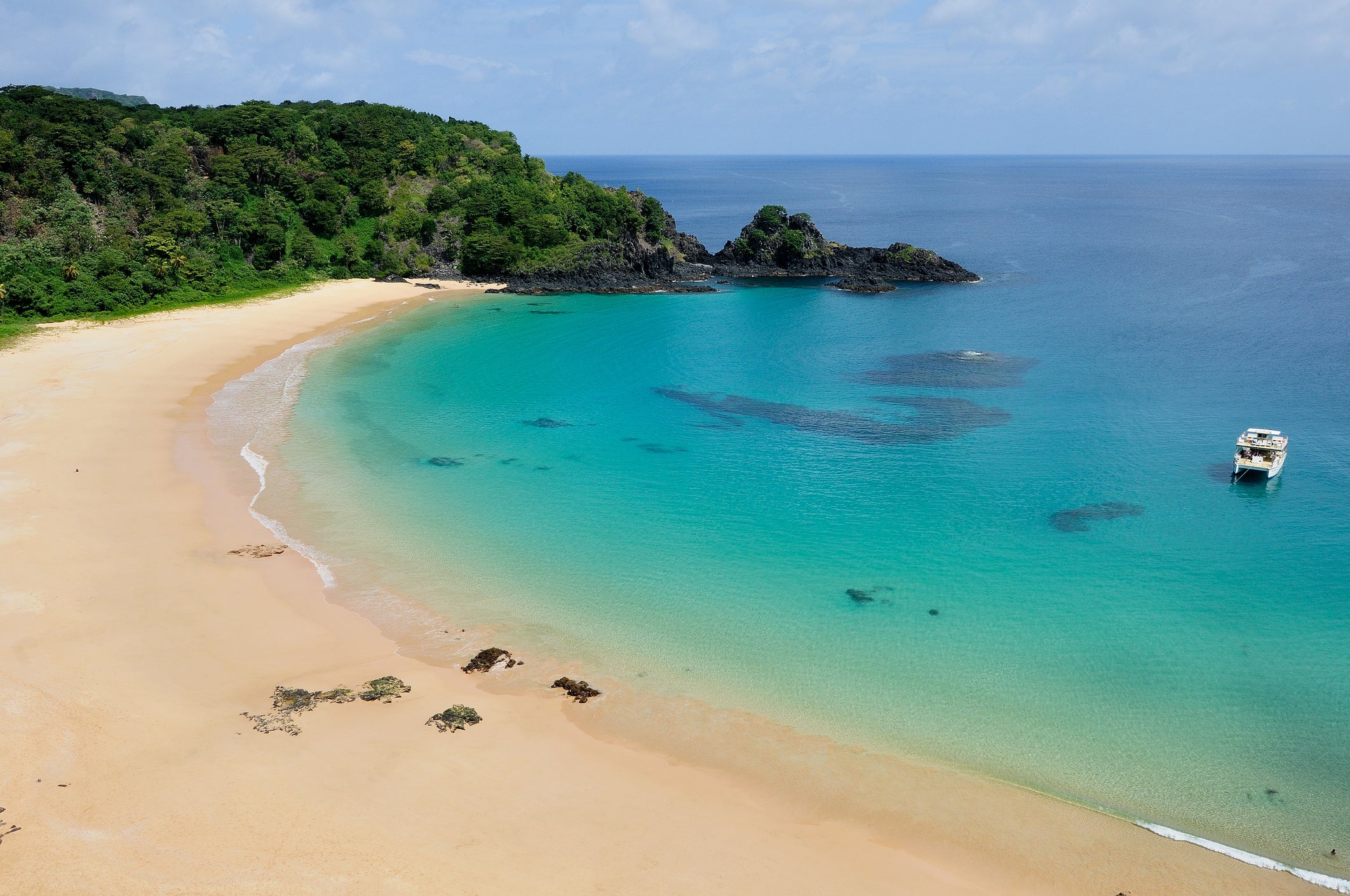
Finding The Quiet Edge — Discovery favors the traveler who wanders just beyond the obvious. To uncover hidden harbors, study a map's negative space: the thin lanes that end in water, the crescent bays tucked behind headlands, the unnamed inlets where sandbars shift with the tide. Follow scenic byways that skirt marsh and meadow; take small ferry routes that connect outlying islands; ask the fishmonger where locals go for a calm swim at dusk. Arrive early, then keep walking past the first beach to the second or third cove, where the only company might be oystercatchers tracing the shoreline. Explore after the market closes, when boats whisper back to moorings and the village exhales. Bring offline maps and a curiosity for unmarked paths, but respect private docks and posted signs. Often the most memorable find is accidental: a sea-washed chapel, a tide pool amphitheater, a dune path that delivers a horizon so clear you feel your thoughts unspool with it.
Savoring Sea-To-Table — The cuisine of small coastal towns is a masterclass in freshness and restraint, letting the tide dictate the menu. Expect sea-to-table plates that taste like place: mussels in garlicky broth, line-caught fish with lemon and herbs, seaweed tossed with warm potatoes and capers. You might eat on a pier, elbows on worn wood, a paper basket of crisp fillets and tangy slaw balanced beside a cool drink. Seek out community-supported fisheries that sell the day's catch, or cozy kitchens where a single chalkboard lists three perfect options. Learn to shuck an oyster, drizzle only what it needs, and notice how the shell smells like rain on stone. Ask about sustainable practices—pots instead of trawls, seasonal closures that keep stocks healthy—and you will taste integrity in every bite. Dessert may be a berry tart from a village oven or a scoop of sea-salt caramel that captures the breeze itself, a sweet finish to a meal that feels anchored, honest, and beautifully local.
Nature, Not Noise — Here, the soundtrack is elemental: surf breathing in and out, wind combing the grasses, a distant bell buoy keeping patient time. Hidden towns sit close to dunes, estuaries, and tide flats, places where life is braided with water. Explore tide pools at low water to meet sea stars and anemones, watch herons hunt in marsh channels, and look for seals basking on sun-warmed rocks beyond the harbor mouth. Walk boardwalks that protect fragile roots, step lightly on sand to preserve nesting zones, and practice Leave No Trace so your footsteps disappear with the tide. Bring a small bag to pack out litter you did not make; these gestures register in places that know how to listen. At night, turn off the porch light and read the sky: constellations sharpen where the coast keeps darkness intact. The quieter you are, the more the shoreline reveals, inviting you into an ongoing conversation between land, sea, and weather.
Culture By The Waterline — Maritime life is not a backdrop here; it is the village's heartbeat. Stop at a shed where boatbuilders steam-bend ribs for a dory, watch net menders stitch patience into every loop, and let a storyteller trace storms on a chart with a salt-creased finger. You may hear sea shanties in a cafe, see a procession of lanterns along the quay, or find a lighthouse keeper's log preserved in a small room that smells of rope and varnish. Local craftsmanship shows up in every detail: knots as art, shells set into mosaics, driftwood carved into figures that seem to remember the swell. Markets brim with smoked fish, kelp pickles, hand-thrown mugs glazed the color of the shoals. If a festival spills onto the green, join the circle; these gatherings are how coastal communities count time. In places shaped by weather and work, the culture stays humble, generous, and anchored in heritage rather than spectacle.
Stays With Soul — Forget glass towers; think cedar-shingled guesthouses, whitewashed boutique inns, and rooms tucked above a boathouse where gulls announce the tide. The most memorable stays feel curated by hand: quilts that hold a breeze, windows that frame the harbor like a painting, a breakfast basket with warm bread and marmalade that tastes of sunshine. Many hosts weave in eco-conscious design—solar-warmed showers, refill stations, native plant gardens that shelter pollinators—and share handwritten maps to secret lookouts and sheltered swims. Choose places that are a short stroll from the quay so you can live by footlight: sunset walks, late-night ice cream, early coffee as the fleet heads out. Ask for recommendations on local artisans or tucked-away trails; you will gather experiences no brochure can promise. Rooms here speak in textures and tiny kindnesses, and the memory they leave is of being welcomed into a living coast rather than simply occupying a view.
Planning For Gentle Footprints — Set your pace to the tide and your plans to the wind. Pack layers, a wind-cutting shell, and shoes that do not mind salt; coastal weather loves to improvise. Carry a reusable bottle and cup, a small dry bag for phones, and a compact towel that dries fast. Check harbor tide tables at a shop or notice boards before venturing to sandbars or coves with narrow exits, and give wildlife a generous buffer. Travel light and buy local, from market produce to boat tours run by families who know every current by name. Consider public transit links, small ferry hops, and bicycles to keep roads quiet and parking simple. Aim for midweek stays to spread out your impact, keep groups small, and choose experiences that prioritize habitat over spectacle. Most of all, let slow itineraries guide you. In hidden coastal towns, the real luxury is time well noticed—waves counted, stories heard, and footprints softened by the returning tide.