Local Is Global: Community-Centered Movements Scaling Worldwide
From urban gardens to open-source mutual aid, community-led movements are scaling globally by pairing local trust with shared playbooks and digital networks.
From Neighborhoods to Networks — The most powerful trend in movements today is the rise of community-centered initiatives that start small and scale by replicating trust, not just technology. Local projects refine solutions in real conditions, then spread through peer-to-peer relationships, shared playbooks, and lightweight governance. This glocal pattern blends neighborhood nuance with global reach, enabling many nodes to act with common intent while adapting to place. Rituals, shared symbols, and simple onboarding make participation effortless, while community charters and value statements anchor integrity. Instead of a single central organizer, distributed stewards cultivate a commons of resources others can remix. The result is a resilient lattice of groups that can grow without losing soul. This trend rewards accessibility over complexity, encourages open learning, and treats every city block as a laboratory. What scales is a culture of contribution: small wins documented clearly, stories that travel, and practical toolkits that remove friction for the next organizer.
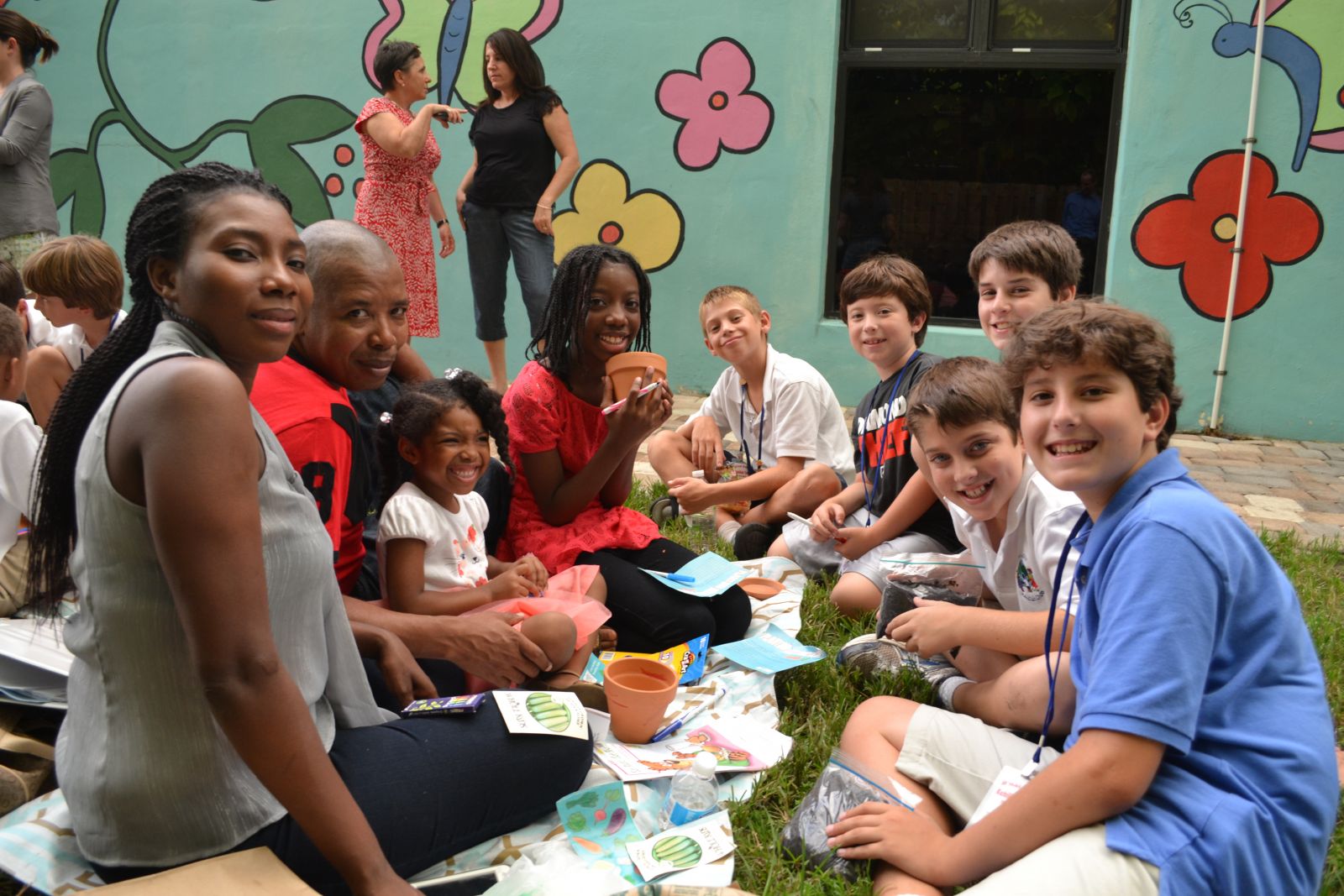
Designing for Scale — Growth by design requires modularity, not monoliths. Movements that spread well codify the minimum viable protocols: how meetings run, how funds are handled, how conflicts are resolved, and how new chapters are welcomed. A simple starter kit, a visual identity guide, and an adaptable code of conduct create coherence without rigidity. Quality improves through training-of-trainers, mentorship ladders, and transparent, community-led governance. Rather than enforcing uniformity, leaders protect core principles while inviting local experimentation at the edges. Clear documentation, checklists, and lightweight auditing support stewardship, ensuring practices remain ethical and safe as participation grows. When tools and processes are interoperable, collaborations across regions become natural. This social franchising model prioritizes consent, care, and fairness, enabling people to volunteer confidently and sustain momentum. In short, scalable design is a choreography of autonomy and alignment, where the smallest useful process is standardized and everything else stays flexible.
Digital Infrastructures, Human Bonds — Technology accelerates scale, but belonging sustains it. The trend is toward open-source toolchains, federated platforms, and privacy-respecting channels that communities can self-host or fork as needs evolve. Lightweight coordination uses asynchronous updates, shared documents, and open agendas, while offline-first practices ensure inclusion when connectivity is uneven. Yet digital efficiency means little without relational depth. Regular check-ins, peer mentorship circles, and storytelling practices build trust, the true currency of movement work. Communities that pair messaging apps with local gatherings, rituals of welcoming, and care teams find higher retention and healthier collaboration. Accessible formats, bilingual content, and clear consent flows widen participation without compromising safety. Data is treated as a shared asset with explicit data stewardship norms, honoring dignity and minimizing risk. When human bonds and digital infrastructures reinforce each other, movements gain the speed of networks while preserving the warmth of neighborhoods, making growth both humane and durable.
Measuring Impact That Matters — As community models scale, impact needs more than vanity counts. The trend favors blended measurement: quantitative KPIs to track reach and reliability, and qualitative stories to capture meaning and momentum. Groups co-create a simple theory of change, define outcomes that reflect lived experience, and use participatory assessments so participants shape what success means. Rapid feedback loops help teams adjust programs, with learning captured in open notes, retrospectives, and annotated playbooks. Instead of one-off reports, movements adopt recurring learning cycles, using narrative case studies, micro-surveys, and peer reviews to surface signals early. Ethics matter: data minimization, community consent, and transparent sharing norms prevent extractive practices. Metrics include soft power indicators such as social cohesion, leadership growth, and perceived equity, alongside operational health like volunteer retention and fundraising diversity. By making evaluation communal and useful, measurement becomes a strategic compass, not a bureaucratic burden.
The Next Wave — Emerging trends point to deeper resilience, richer circularity, and shared ownership. Expect growth in community resilience hubs, repair and reuse networks, seed-to-table cooperatives, and neighborhood energy collectives that localize value while trading knowledge globally. Platform cooperatives and timebanks are aligning digital scale with fair distribution, while place-based accelerators cultivate youth-led maker culture and care-centered entrepreneurship. Cross-pollination among regions is accelerating as groups exchange templates for climate action, food sovereignty, public space activation, and mental health support. Challenges remain: burnout, mission drift, compliance burdens, and extractive funding models. Movements counter with distributed leadership, rotating stewardship, care budgets, documentation sprints, and community-owned revenue streams. Policy literacy and coalition-building open doors to supportive frameworks, while regenerative finance and solidarity purchasing stabilize operations. The horizon is community wealth building powered by solidarity supply chains, where local action and global learning reinforce each other, turning neighbors into systems shapers.