Makeup Brush Hygiene: Clean Tools, Flawless Finish
Keep breakouts at bay and your makeup flawless by mastering brush hygiene: how often to clean, what to use, drying tips, and when to replace tools.
Why Clean Brushes Matter
Clean makeup brushes are the quiet foundation of great beauty routines. When bristles collect pigments, oil buildup, skincare residue, and dust, they can harbor bacteria that may contribute to irritation and unwanted texture. Dirty tools also sabotage artistry: clogged fibers struggle to blend, colors look muddy, and finishes turn streaky instead of smooth. Fresh, well-maintained bristles stay soft, hold their shape, and pick up the right amount of product for even application with less waste. This supports a more flawless finish, whether you love diffused bronzer, crisp eyeliner, or seamless foundation. Clean tools also help protect your products from contamination as you dip into powders, creams, and gels day after day. If your skin is sensitive, reactive, or acne-prone, consistent hygiene can make a noticeable difference in comfort. Eyes and lips deserve extra care too, since they're delicate and close to mucous membranes. In short, clean tools protect your skin, your formulas, and your results—every single time.
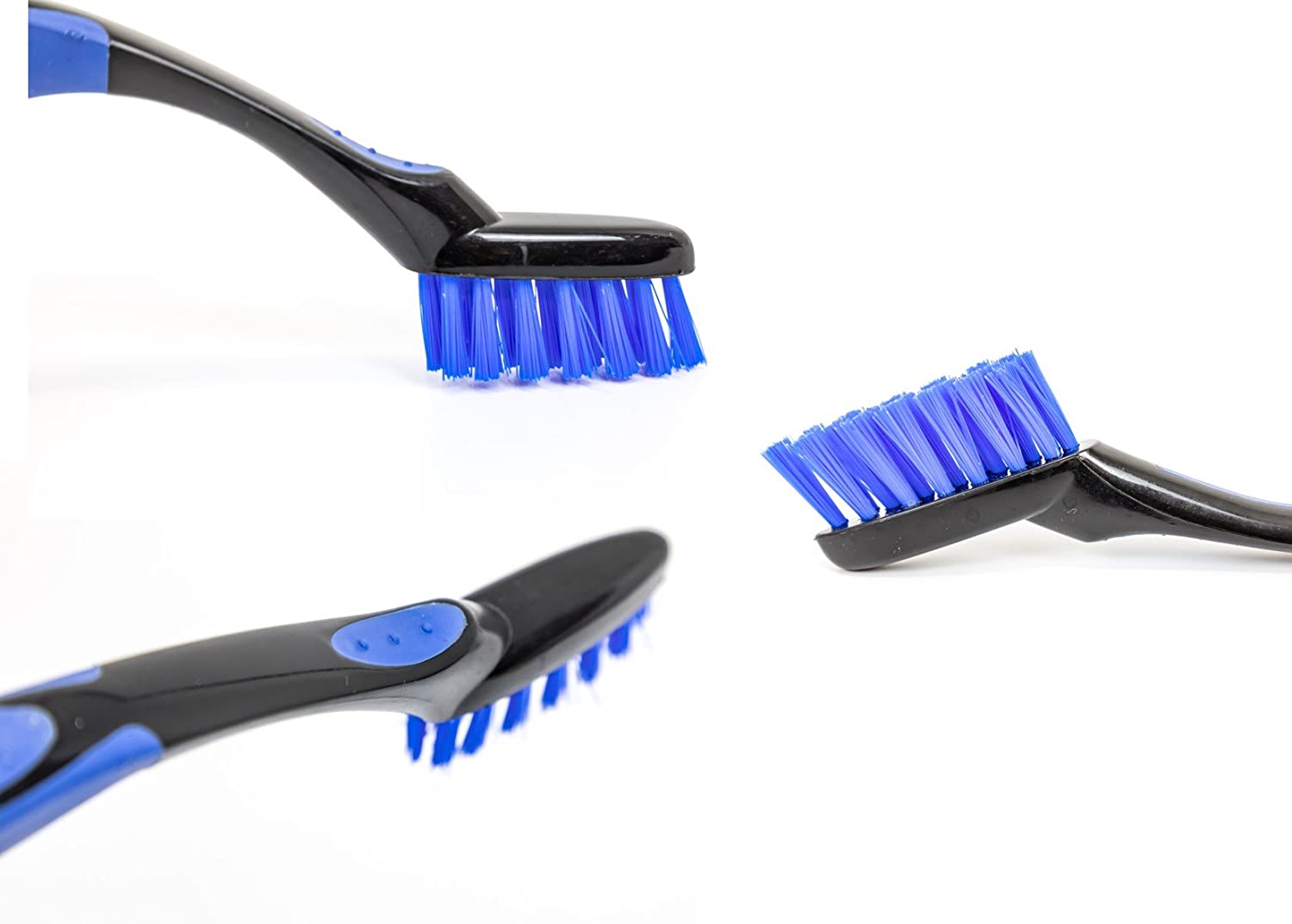
How Often to Clean
Your routine should match how and what you use. Brushes for liquid formulas—like foundation and concealer—benefit from a quick cleanse after each use or at least every couple of applications, because creams and oils cling tightly to fibers. Powder tools can go a bit longer, especially if you use them on clean skin and stick to dry products, but plan a regular deep clean to keep bristles soft and color-true. Eye brushes need attention whenever you switch shades or textures to avoid muddy looks and cross-color transfer. Sponges are the most absorbent tools and should be washed thoroughly after each session; they trap moisture and product inside, which can affect both hygiene and finish. If you're tight on time, rotate a small set of favorites so one can dry while another is in use. A balanced approach—brief daily refreshes plus scheduled deep washes—keeps performance high without feeling overwhelming.
Step-by-Step Cleaning Method
Start with lukewarm water and dampen only the bristles—avoid soaking the ferrule (the metal band) to protect the glue that holds fibers in place. Massage a gentle cleanser or brush soap into the tips, then swirl on your palm or a textured mat to lift residue. Rinse until the water runs clear, repeating as needed. Press out excess moisture with a clean towel, then reshape the bristles to their original form. Lay brushes to air-dry with heads angled downward or hanging off a counter edge so water doesn't seep into the handle. Skip hot tools and direct sun; heat can warp fibers and loosen adhesive. For sponges, fully saturate, squeeze out, lather, and repeat the squeeze–rinse cycle until suds appear light and water is clear. Finish with a final squeeze in a towel to remove excess water without twisting. Consistency matters more than perfection—clean well, rinse thoroughly, and dry properly for tools that last longer and perform better.
Drying, Storage, and Sanitizing
How you dry is as important as how you wash. Ensure airflow and a slight downward angle so moisture drains away from the ferrule and handle. Brush guards can help maintain shape while preventing splaying as bristles dry. Once completely dry, store upright in a clean holder, or in a breathable pouch that keeps dust out without trapping humidity. Avoid leaving brushes in steamy bathrooms where moisture lingers. Between deep cleans, a fast-evaporating sanitizing mist can refresh eye and lip tools; allow them to dry fully before use to protect formulas and skin. Don't forget the handles—wipe them regularly to reduce cross-contamination from hands, sinks, and makeup bags. Keep lids closed on creams and gels, and avoid resting damp brushes on palettes. When traveling, pack tools in protective sleeves and give them a quick cleanse on arrival. Thoughtful drying, smart storage, and light sanitizing extend your tools' life while keeping application crisp and comfortable.
Care, Replacement, and Smart Habits
Different fibers benefit from tailored care. Synthetic bristles excel with creams and liquids, resist staining, and are generally easier to clean. Natural fibers can be superb for powders and benefit from gentle cleansers and occasional conditioning to maintain softness. Watch for signs it's time to replace: persistent staining, shedding, a funky odor, or splayed bristles that no longer hold shape. Build smart habits to minimize grime: wash hands before makeup, use a clean palette for mixing, and avoid sharing tools to reduce cross-contamination. Color-code or band brushes to track which are fresh versus used, and set a reminder for regular deep cleans. Keep a compact travel set so your everyday tools can fully dry at home. Use the right brush for the job to prevent overloading fibers, and pick up product in light layers to keep buildup low. With a consistent routine, your tools stay pristine, your products last, and your makeup looks polished every day.