Master Color Pairing: From Neutrals to Bold Statements
Unlock the art of color pairing—from timeless neutrals to fearless brights—and build outfits that feel balanced, modern, and unmistakably you.
Foundations in Neutrals
Every wardrobe finds balance in neutrals, the dependable hues that anchor an outfit and make bold choices feel effortless. Shades like black, white, charcoal, navy, beige, camel, and olive form a versatile backbone because they pair fluidly with one another and with brighter tones. Focus on undertones: cool-leaning grays and navies harmonize with crisp whites, while warm beiges and camels flatter earthy accents. A confident start is monochrome dressing—stacking similar tones for instant polish—then adding a small pop like a burgundy belt or a jade earring. Elevate basics through texture and proportion: a chunky knit over sleek trousers, or a matte wool coat framing a satin blouse. Think of neutrals as a canvas that supports experimentation; an olive field jacket softens vivid coral, and a camel coat dignifies cobalt. By curating quality neutral staples, you create a capsule wardrobe that travels, layers, and adapts, turning color play from intimidating to intuitive.
The Language of Color Harmony
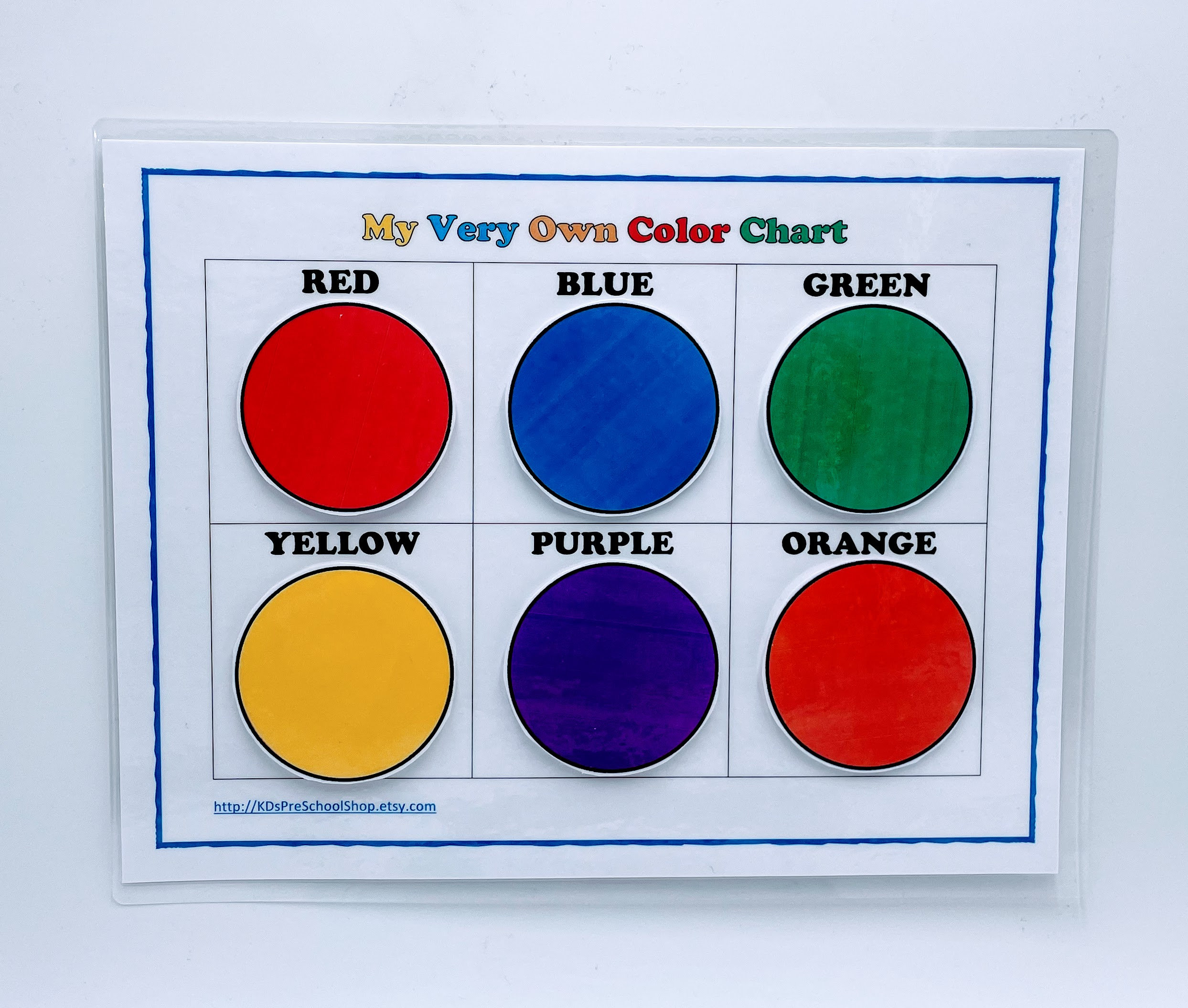
Color pairing becomes clearer when you understand harmony. Start with the color wheel's key relationships: complementary (opposites that energize, like blue with orange accents), analogous (neighbors that soothe, such as teal, blue, and indigo), and triadic (three evenly spaced tones offering playful balance). Adjust saturation and value to fine-tune impact: deeper values read dressier, lighter values feel airy, and low saturation looks refined. Temperature matters too; warm hues suggest vitality, while cool hues convey calm. Define roles within a look: one dominant color, one supporting color, and a pop. For example, a navy suit (dominant) with slate shirt (supporting) and saffron pocket square (pop) feels cohesive, not chaotic. Prints act as built-in maps; pull one accent from a pattern and repeat it elsewhere. When in doubt, let neutrals bridge vivid pairings, giving the eye a resting point and making even daring combinations feel perfectly intentional.
Elevating Looks with Confident Contrast
Transition from subtle to striking by layering contrast intentionally. Begin with a neutral base—charcoal trousers and a cream knit—then add a statement piece, like a rich emerald blazer or bold crimson loafer. Use the scale of color to control intensity: accessories deliver a whisper of hue, mid-sized items like shirts or skirts add presence, and outerwear offers maximum impact. Try color blocking with clear, unpatterned panels for modern clarity, or experiment with a gradient approach that steps from deep to mid to light within the same family. If you favor bright-on-bright, moderate one element with a muted tone to avoid visual clash; pair sunflower with softened olive, or fuchsia with dusty mauve. Maintain balance through silhouette and finish—structured shapes can handle louder colors, while fluid fabrics keep vivid hues elegant. The result is expressive yet wearable, transforming everyday outfits into confident, bold statements.
Texture, Finish, and Depth
Color never appears in isolation—it's shaped by texture, fabric, and finish. Matte surfaces like brushed cotton or wool make hues feel grounded and sophisticated, while satin, silk, and polished leather amplify light and raise intensity. Combining textures creates depth without adding more colors: a ribbed knit alongside smooth twill, or tweed next to suede, brings visual interest to restrained palettes. Consider metallics as chic, modern neutrals; soft gold, cool silver, and muted bronze echo the role of beige or gray, tying palettes together through subtle shine. Patterns also influence perception: fine stripes or micro-checks behave like texture, while bold prints act as color blocks. Use finish contrast to guide the eye—gloss at the shoes, matte at the jacket, soft sheen at the blouse. By treating surface and color as partners, you elevate simple pairings and let even familiar tones look dimensional, curated, and unmistakably fashion-forward.
Personal Palette: Skin, Style, and Setting
Your best color choices honor skin undertone, personal style, and context. Cool undertones often shine in blue-based hues like cobalt or berry, warm undertones glow in golden-based shades like terracotta or marigold, and neutral undertones navigate both with ease. For pieces worn near the face, choose colors that brighten the complexion and eyes; reserve trickier shades for trousers, skirts, or accessories. Let style identity lead: a minimalist may prefer softened palettes and controlled contrasts, while a maximalist thrives on saturated trios and daring prints. Consider setting and occasion—muted values and low-contrast combinations suit quiet environments, while higher contrast and shine read festive or editorial. Lighting shifts perception, too; natural daylight reveals nuance, whereas evening lighting deepens and warms color. Build a small set of signature hues you can repeat across categories—outerwear, knitwear, footwear—so outfits click together effortlessly and reflect who you are.
Practical Formulas and Wardrobe Planning
Translate theory into action with simple formulas. The 60-30-10 rule assigns a dominant, supporting, and accent color to keep outfits balanced. Try two neutrals plus one color for everyday ease, or a triadic trio for playful days. Use the print-pull method: choose a patterned piece, then echo one minor color in your accessories for cohesion. Plan a capsule by selecting one dark neutral, one light neutral, and three to five accents spanning warm and cool families. Create swatches or photos of successful looks, noting saturation, value, and temperature so you can recreate them quickly. When shopping, ask whether a new item complements at least three pieces you already own; if yes, it likely belongs. Maintain color quality with mindful care, and rotate outfits to keep combinations fresh. With a few repeatable systems, you will pair color with confidence, moving smoothly from neutrals to unapologetically bold statements.