Minimalist Shopping: Buy Less, Buy Better
Build a calmer life and a smarter budget with minimalist shopping: buy less, buy better, and choose with intention instead of impulse.
Clarify Your Why
Minimalist shopping begins with a mindset shift from accumulation to intentionality. Instead of chasing novelty or bargains, you buy to serve a clear purpose. Start by identifying your core values: comfort, durability, aesthetics, and alignment with your lifestyle. Ask what problem a purchase solves and how it improves daily life. Separate needs from wants by adding a gentle friction before checkout, such as pausing, revisiting your list, or comparing alternatives you already own. Notice emotional triggers like stress or boredom that masquerade as necessity. Reframe minimalism as abundance: more space, better focus, and deeper satisfaction with fewer, higher-quality items. Example: a single well-fitting jacket that works across settings may outshine three trendy options that rarely leave the closet. The goal is not deprivation, but clarity—owning what you use and loving what you own. With this foundation, every purchase becomes a deliberate choice that supports simplicity and reduces waste.
Redefine Value
To buy better, redefine what value means. Price alone is a narrow lens; consider total cost of ownership, including cost-per-use, maintenance, and the time you invest. Quality materials, solid craftsmanship, and thoughtful design often reduce replacements and frustration. Evaluate fit-for-purpose performance, not just features. A quieter appliance, a knife that holds an edge, or shoes that support posture can yield daily dividends. Look for versatility and repairability to extend usefulness. Neutral colors, classic silhouettes, and modular components integrate more easily with what you own. Try to assess comfort, function, and durability before aesthetics take the lead. Consider intangible value: confidence, focus, and ease. If an item saves minutes every morning or lowers decision fatigue, that is meaningful return. Finally, factor resale or donation pathways. A well-made piece retains utility for the next owner, closing the loop. Redefining value this way guides you toward purchases that truly earn their place.
Build a Buying Framework
Create a simple decision framework to turn intention into action. Before purchasing, ask: What specific problem does this solve? How often will I use it? Does it replace something, or merely duplicate it? Where will it live, and how will I maintain it? Does it harmonize with my existing wardrobe, tools, or decor? Introduce a waiting period so impulse fades and clarity rises. Use one-in, one-out to keep volume steady and priorities sharp. Set a realistic budget that favors essentials and experiences over impulse novelty. Choose criteria that are easy to remember, like three green lights—function, fit, and longevity—before you proceed. When comparison shopping, limit options to reduce decision fatigue, then document why the top pick wins. If you cannot write a sentence about the item's purpose and long-term use, you probably do not need it. This lightweight structure builds consistency, reduces regret, and keeps spending aligned with values.
Curate Fewer, Better Options
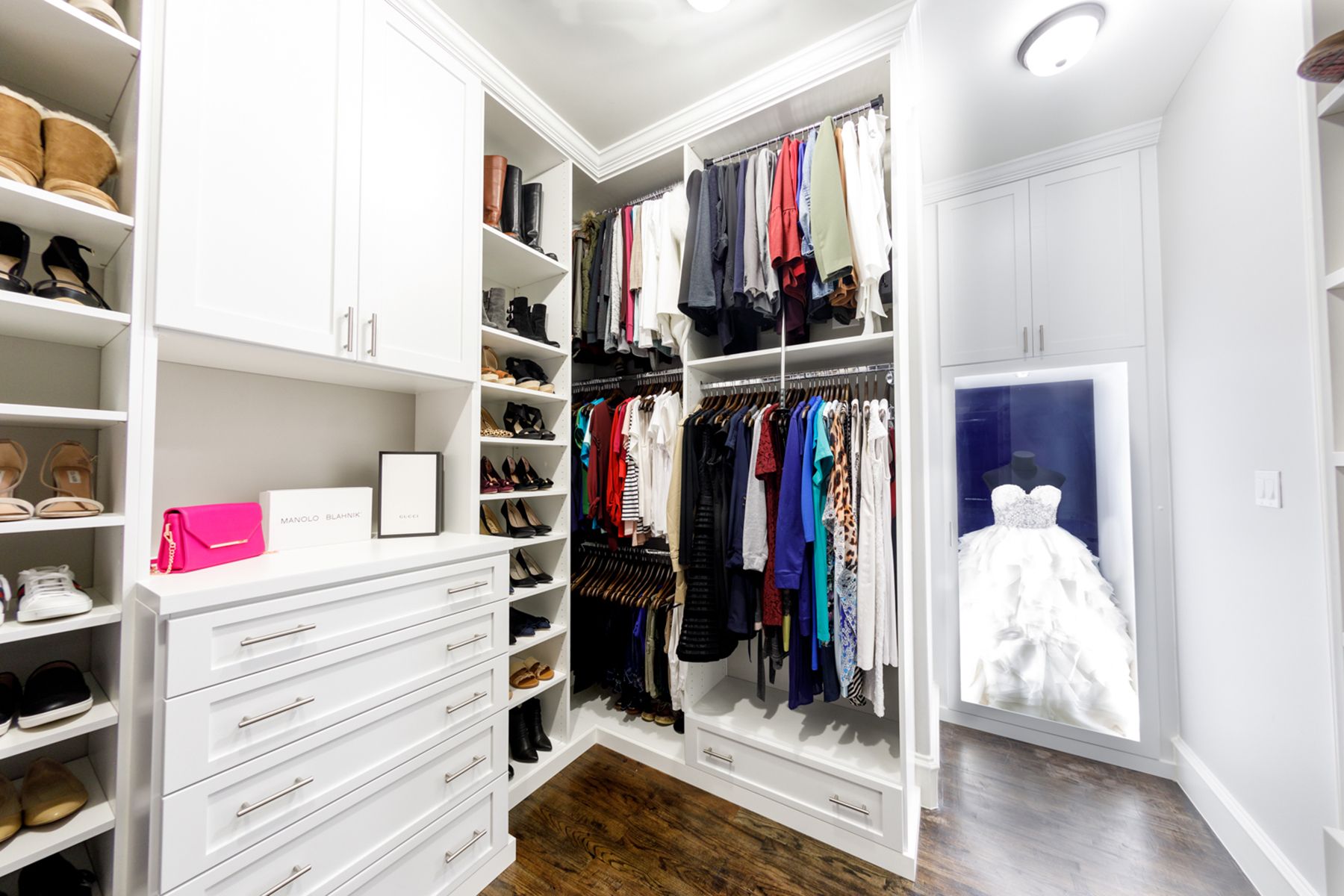
Curation is the practical expression of minimalism. Build a tight, versatile set of items that mix and match smoothly. In a wardrobe, think capsule: a cohesive color palette, layering pieces, and silhouettes that complement one another. In the kitchen, focus on multi-use tools that handle most tasks reliably. Favor interchangeability—scarves that tie looks together, containers that stack, chargers that work across devices. Choose designs with timeless lines and replaceable components, so you can refresh or repair without starting from zero. Consider texture and comfort as much as style; things that feel good get used more. Avoid novelty duplicates that dilute attention and storage. If you crave variety, rotate seasonally from a stored subset rather than expanding the total count. Curating fewer, better options amplifies ease: faster getting ready, simpler cleaning, smoother choices. The result is a collection where each piece earns its keep and supports your preferred rhythm.
Care, Repair, and Longevity
Buying better shines when you extend longevity through thoughtful care. Establish simple routines: gentle laundering, air drying, conditioning leather, sharpening blades, and wiping surfaces before storage. Proper maintenance preserves performance and postpones replacement, improving cost-per-use. Embrace repair as a skill and a mindset. Learn basic fixes like sewing a button, patching a seam, or tightening hardware. Seek skilled services for resoling, reupholstering, or tuning when needed. Store items thoughtfully—breathable garment bags, shoe trees, dust covers, and organized shelves that prevent crushing or moisture. Keep a small kit of care essentials visible so upkeep becomes automatic. Track service dates for high-use tools and schedule reminders. When something breaks, ask whether a repair or a spare part can save it from the discard bin. This approach reduces waste, protects your investment, and deepens appreciation. Caring well turns possessions into reliable partners, embodying the buy less, buy better ethos.
Mindful Momentum and Joy
Sustain minimalist shopping with supportive habits. Reduce triggers by opting out of constant sales notifications and setting designated shopping windows. Practice a quick gratitude inventory—note three items you already own that meet the need—before browsing. Use a wish list to park desires, then review later with cooler judgment. Explore borrowing, renting, or community swaps for occasional-use items, keeping your home flexible without more clutter. Celebrate the joy of use: the comfort of a favorite sweater, the glide of a well-tuned tool, the calm of a clear shelf. Periodically reassess what you own; donate or resell pieces that no longer support your life. Redirect saved money toward skills, experiences, or maintenance that enrich daily routines. Over time, you will notice fewer regrets, more space, and stronger alignment with your values. The momentum becomes self-reinforcing: the better you buy, the less you need, and the more fully you enjoy what remains.