Minimalist Style: Clean Lines, Maximum Impact
Streamline your wardrobe with clean lines, refined fabrics, and a focused palette. Minimalist style proves less can deliver maximum impact.
The Philosophy
Minimalist style is not about having less; it's about making more of what remains. At its heart are clean lines, intentional design, and a commitment to visual calm. Instead of shouting, minimalist outfits communicate with quiet confidence: a precise shoulder, a crisp seam, a measured hem. The absence of clutter highlights silhouette, proportion, and movement, letting fabric and form do the talking. Think of negative space as part of the look; the eye rests, and the garment breathes. This approach rewards editing—removing the unnecessary so every element has purpose. A simple blazer sharpens denim; a seamless knit refines a slip skirt. The message is clarity, not austerity. Comfort and function are built in, but never at the expense of polish. By choosing streamlined shapes and uncomplicated details, you cultivate a wardrobe that feels modern, travels well across settings, and endures trends because it's grounded in timeless proportion and elegant restraint.
Wardrobe Foundations
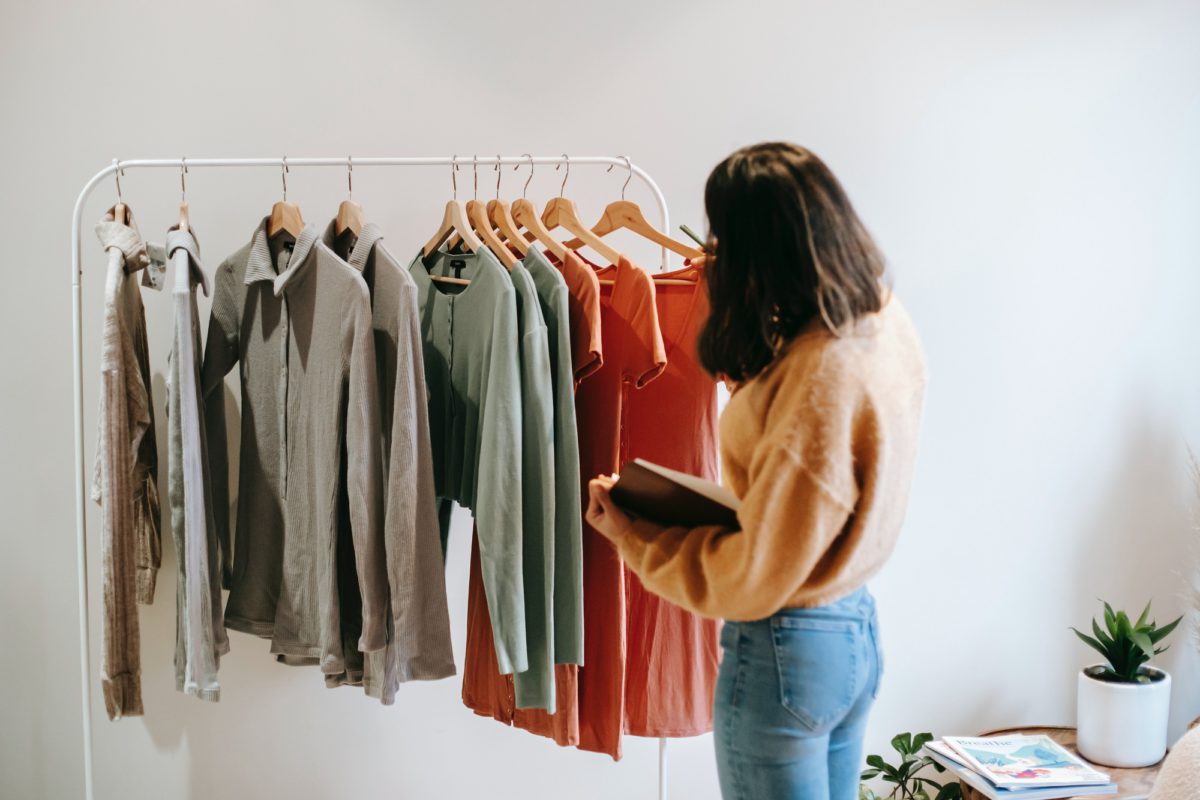
Building a minimalist wardrobe starts with versatile essentials that mix, match, and layer with ease. Focus on tailored trousers, a clean-lined blazer, fluid skirts, well-cut denim, crisp shirting, and refined knits. Keep construction thoughtful: neat seams, quality zippers, discreet pockets, and minimal hardware. A cohesive base of neutral tones makes coordination effortless and highlights silhouette over ornament. Prioritize fabric integrity—cotton poplin, compact wool, supple leather, breathable linen, and silky blends that drape smoothly. Each piece should work across contexts: office, weekend, and evening with subtle tweaks. Evaluate items by cost per wear, not just price, and choose shoes that balance form with function—sleek loafers, pared-back sneakers, understated boots. Streamline prints to micro-patterns or skip them entirely to maintain clarity. Care habits matter: gentle washing, proper storage, and regular de-pilling preserve sharpness. With a foundation of modular staples, getting dressed becomes intuitive, and your style narrative stays consistent and calm.
Tailoring for Impact
In minimalist dressing, fit is the feature. Tailoring turns simplicity into presence by refining proportion, balance, and line. Begin at the shoulders: a jacket that sits cleanly anchors the entire look. Hem trousers to kiss the shoe or skim the ankle, depending on the leg shape and desired stance. Skirt lengths feel deliberate when they align with where your calf naturally narrows. Contrast structure and fluidity—a sculpted blazer over a drapey dress, or a soft sweater with sharp pleat-front trousers—to create tension without noise. Minor alterations—nipping a waist, shortening sleeves, narrowing a leg—can transform a basic piece into a signature. Be mindful of rise, inseam, and ease around the hips; comfort should support posture, not fight it. Even knitwear benefits from precise proportions: sleeves that end at the wrist bone, a neckline that frames the collarbone. The result is maximum impact delivered through meticulous, near-invisible decisions.
Texture and Fabric
Minimalism thrives on texture to add depth without distraction. When prints are scarce, materials become your vocabulary. Pair matte with lustrous, crisp with fluid, smooth with nubby for a sophisticated dialogue. Cotton poplin sharpens the line of a skirt; silk introduces movement; merino and cashmere bring quiet warmth; linen offers a relaxed, breathable crease with character. Explore monochrome dressing where texture creates dimension—ivory denim with a cream knit and a soft leather belt feels layered yet clean. Observe drape, opacity, and weight so pieces stack neatly; a heavy coat should glide over a fine-gauge sweater, not bunch. Technical fabrics can modernize classics, providing wrinkle resistance and structure with a minimal sheen. Keep embellishment subtle—fine ribbing, tonal topstitching, or a single seam detail—so the garment's architecture shines. With deliberate fabrics, you achieve richness that reads as understated, proving that less design can hold more interest when material choices are exacting.
Color with Restraint
A minimalist palette channels focus. Start with neutrals—black, white, grey, navy, stone, and soft earth tones—to create a stable core. Use tonal dressing to elongate the silhouette: layers of similar shades add depth while preserving unity. One accent color can refresh without breaking the code; a muted burgundy bag or olive coat can function as a quiet exclamation mark. Balance warmth and coolness to complement your undertones, ensuring pieces harmonize across the wardrobe. Limit contrast to strategic points: a light shirt under a dark blazer highlights structure; pale sneakers punctuate a deep column of color. Metallics work best as subtle reflectors—sleek hardware, a fine chain, a refined buckle—rather than focal features. When editing color, consider context and lighting; fabrics shift tone in natural versus indoor light. By treating hue as a tool, not decoration, you let shape, texture, and fit take center stage, maintaining the clean, cohesive impression that defines minimalist style.
Accessories with Purpose
Accessories in minimalist style are functional accents, not afterthoughts. Choose sculptural shapes and streamlined hardware that echo the clean lines of your clothes. A structured tote, a slim crossbody, or a softly rounded bucket bag can anchor outfits without visual noise. Opt for shoes with clean uppers and strong profiles—sleek loafers, pared-back trainers, refined ankle boots—to ground proportions. Jewelry should be considered: a single cuff, a delicate chain, or geometric studs add polish while preserving negative space. Belts define waist and rhythm; pick smooth leather and subtle buckles to maintain flow. Eyewear with clear lines can frame the face like tailoring frames the body. Keep finishing touches cohesive—matching metal tones, consistent leather grains, repeating forms—to build a quiet signature. The goal is intentionality: every piece earns its place by solving a styling challenge, improving comfort, or clarifying silhouette, thereby amplifying impact without clutter.
Sustainable Practice
Minimalism naturally supports sustainability through mindful consumption and care. Buy better, not more, prioritizing durability, repairability, and timeless cut over novelty. Learn basic maintenance—spot cleaning, gentle washing, proper drying, and careful storage—to extend garment life and preserve clean lines. Embrace alteration and repair; a resoled shoe or re-lined jacket keeps favorites in rotation while reducing waste. Explore secondhand and quality vintage for sturdy fabrics and classic shapes that integrate seamlessly with modern pieces. Pack with intention for travel: a small, modular capsule multiplies outfits while keeping luggage light. Create a personal uniform for busy days to streamline decisions and reduce impulse purchases. Seasonal refreshes should refine, not overhaul—add a texture, adjust a hem, introduce one accent color. By aligning choices with purpose, you minimize clutter, maximize wear, and express values through style. The outcome is a wardrobe that looks effortless, feels responsible, and endures with maximum impact.