Shopping Cart Psychology: How to Avoid Impulse Buys
Your brain is wired to overspend online. Learn how design triggers influence your choices and practical tactics to curb impulse purchases at checkout.
Your Brain in the Aisles: Retail environments and ecommerce pages are engineered to activate fast, emotional decision-making. Bright colors, dynamic images, and limited-time badges nudge your attention, while clever placement taps novelty and loss aversion. When your brain anticipates a win, it releases rewarding signals that make impulse buys feel justified. The shopping cart, digital or physical, becomes a safe container that lowers perceived risk; once an item sits inside, the mind reframes the decision from whether to buy to whether to remove it. That shift is powerful. Marketers also rely on social proof and anchoring to set expectations about value. Recognizing these levers is the first defense. As you browse, notice what caught your eye, which cue made the product feel scarce, and what comparison price made the current offer seem attractive. Label the tactic silently, and you interrupt the automatic script that turns a passing interest into a purchase you never planned to make.
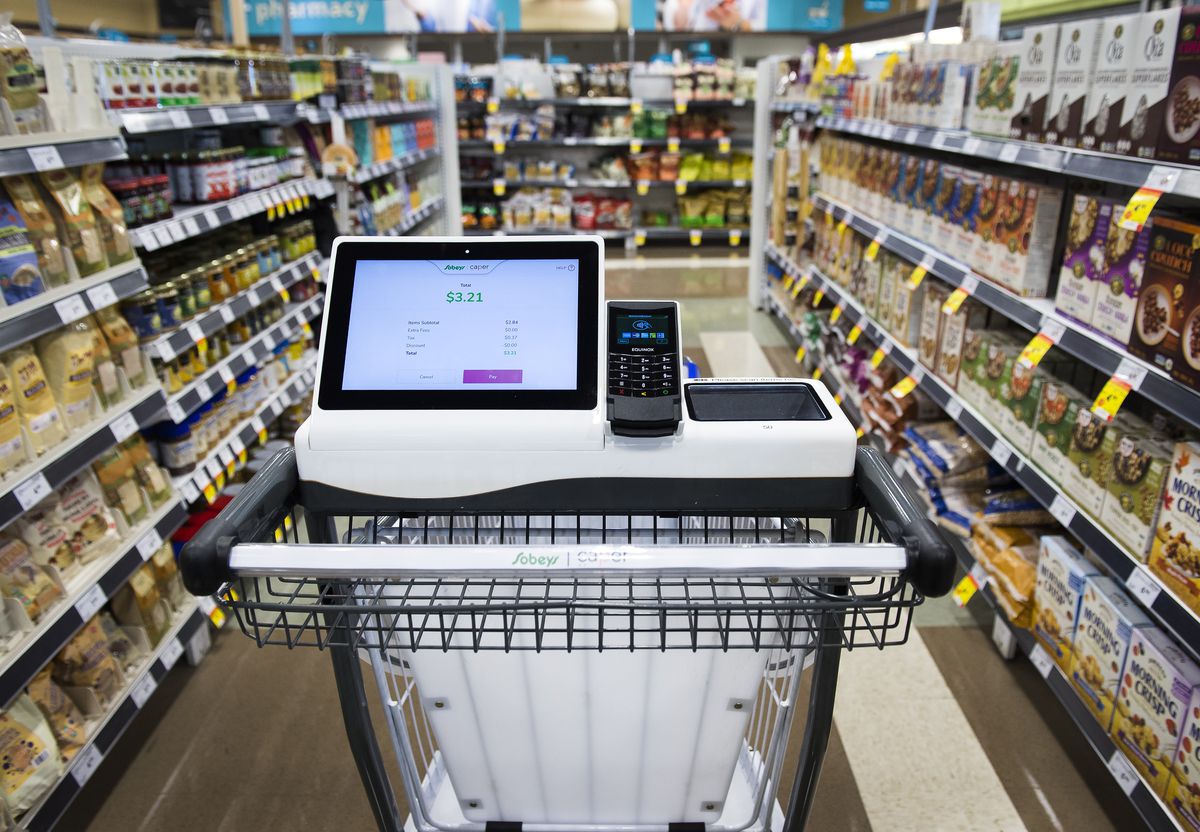
Taming the Trigger: Impulses often start with tiny cues that skip deliberation. A countdown timer, a free shipping threshold, or an only a few left note can bypass your reasoning. Create a personal pause protocol: when a trigger appears, you stop, breathe, and ask three questions—What problem is this solving, what will I use it to replace, and how often will it be used in real life? Add a cost-per-use estimate to deflate the halo of discounts. If the item is still appealing, write a one-sentence purchase intent and place the product on a waitlist or wish list for a cooling-off period. That act converts emotion into a plan. Finally, beware of bundle deals that pad carts with low-value extras. If the bundle contains items you would not buy individually at full price, it is not a savings; it is camouflage for unnecessary spending.
Build Friction Intentionally: Convenience fuels quick purchases, so design friction that slows you just enough to think. Remove stored cards, disable one-click checkout, and log out of shopping apps by default. Turn off push notifications that announce drops and flash sales. Use a 24-hour rule for non-essentials: park them in a wish list and review later with a cooler mind. If urgency is real, your interest will survive the delay; if it is manufactured, it will fade. Separate shopping contexts: one browser profile for essentials, another for browsing, each with different settings and no saved payment methods. Keep a short approved list of priority items and a later list for curiosities; moving items between lists gives your mind the feeling of progress without spending. Add a small checkout checklist—need, fit with current wardrobe or setup, storage space, maintenance demands—so each cart faces a deliberate gate before you allow payment details.
Budget Anchors and Baskets: Impulse resistance grows when you set anchors before you shop. Decide on category caps for apparel, gadgets, or home goods, and translate them into a clear shopping budget. Use prepaid options or a dedicated account to put hard edges around discretionary buys. In groceries or essentials, start your cart with staples you always need; this becomes your anchor basket, making add-ons feel comparatively less necessary. When evaluating a new item, compare it to the next best alternative you already own or can borrow, not to the influencer highlight reel. Convert the cart total into hours of work or days of value to reframe the trade-off. Batch purchases into scheduled sessions rather than constant micro-trips; batching reduces the likelihood that you chase isolated deals. A short exit rule—if the cart exceeds your anchor or fails a purpose test, you defer—helps you leave without debate, preserving energy for decisions that matter.
Design Your Defaults: The best way to block impulse buys is to arrange choice architecture in your favor. Begin with a master list before you open an app or step into a store, and sort it by priority and timing. Inventory your pantry, wardrobe, or toolbox so you replace only what is truly missing. Pre-decide brands or specs for recurring items to avoid wandering through a maze of alternatives engineered to upsell. Schedule reorder cycles and unsubscribe from routine items that drift you into mindless replenishment. Curate your feeds: mute creators or keywords that spark unnecessary cravings, and tidy your inbox to filter promotional nudges away from your main view. Set bank alerts for transactions over a threshold; the gentle vibration of accountability can stop a late-night spree. By establishing defaults—where you shop, when you buy, and how payment works—you reduce exposure to environments where impulse thrives and increase time in spaces where your plan leads.
Decode Store Tactics: Stores and sites rely on tested merchandising patterns. Endcaps and hero banners highlight items with high margins, not necessarily high usefulness. Decoy pricing makes a mid-tier option look sensible by flanking it with an overpriced version. Charm pricing and bundle discounts exploit mental shortcuts, while strategic lighting and music keep you browsing longer. Online, cross-sells and recommended for you suggestions leverage your recent clicks to escalate cart value. Counter by comparing unit prices, not package sizes or sale tags, and by pre-selecting the specific size or flavor you intended to buy. Avoid being steered by default options at checkout—remove automatically added warranties, donations, or extras you did not plan. Notice free return policies that normalize over-ordering; every return still costs time and attention, the most limited currencies you have. When you can name the tactic, you regain agency, and the cart becomes a tool again, not a trap.
Emotion-Proof Your Checkout: Most impulse buys happen during emotional spikes—boredom, stress, celebration, or fatigue. Use a quick HALT check: are you hungry, angry, lonely, or tired? If the answer is yes, postpone any non-essential purchase. Practice a two-minute breathing reset before pressing pay; slowing your heart rate often slows your cart. Set implementation intentions that convert willpower into scripts—if I see a countdown, I add to wish list and revisit tomorrow; if I hit free shipping threshold, I remove fillers and accept the fee. Replace the fear of missing out with joy of missing out, reminding yourself that the best deal is the one that aligns with your plan. Keep a small temptation budget for guilt-free treats so you do not overcorrect into deprivation. Consistent emotional hygiene turns checkout from a pressure point into a calm verification step.
Reward the Right Wins: Sustainable shopping discipline grows when you measure and celebrate satisfaction, not just savings. Keep a lightweight post-purchase review: after a week or two, rate how often you used the item, how it improved your routine, and whether you would buy it again. Track avoided purchases as victories—note the items you parked and no longer want, and total the funds preserved for goals that matter. Establish personal rules like one-in-one-out for categories prone to clutter, or a three-use trial before removing tags. Create a small reward loop for staying on plan, such as setting aside a percentage of saved impulse cash toward an experience. Over time, you will see patterns in what truly delivers value. That feedback tightens your instincts, shrinks cart bloat, and builds an identity as a mindful shopper—someone who chooses with intention, enjoys what they own, and leaves the rest on the shelf.