Sunscreen Made Simple: What to Look For and How to Apply
Decode SPF, UVA/UVB, mineral vs. chemical filters, and water resistance—plus how much to use, when to reapply, and tips for face, body, and lips.
Why sunscreen matters
Sunscreen is one of the most reliable tools for keeping skin healthy, comfortable, and visibly youthful. Invisible rays called UVA and UVB can lead to photoaging, hyperpigmentation, and sensitivity, even on days that look mild. UVA rays penetrate more deeply and are linked to fine lines and discoloration, while UVB rays tend to cause surface burns. Consistent daily use helps prevent cumulative damage that shows up as uneven tone and early wrinkles. It also supports a smoother makeup application by keeping texture and redness in check. Remember that exposure happens beyond the beach; light filters through windows and reflects off surfaces like water, snow, and concrete. Treat sunscreen like a finishing step in your morning routine, just as essential as brushing your teeth. By building a simple habit, you protect collagen, preserve luminosity, and give your skincare investments the chance to work better. A small, steady commitment adds up to noticeable results over time.
Decoding the label
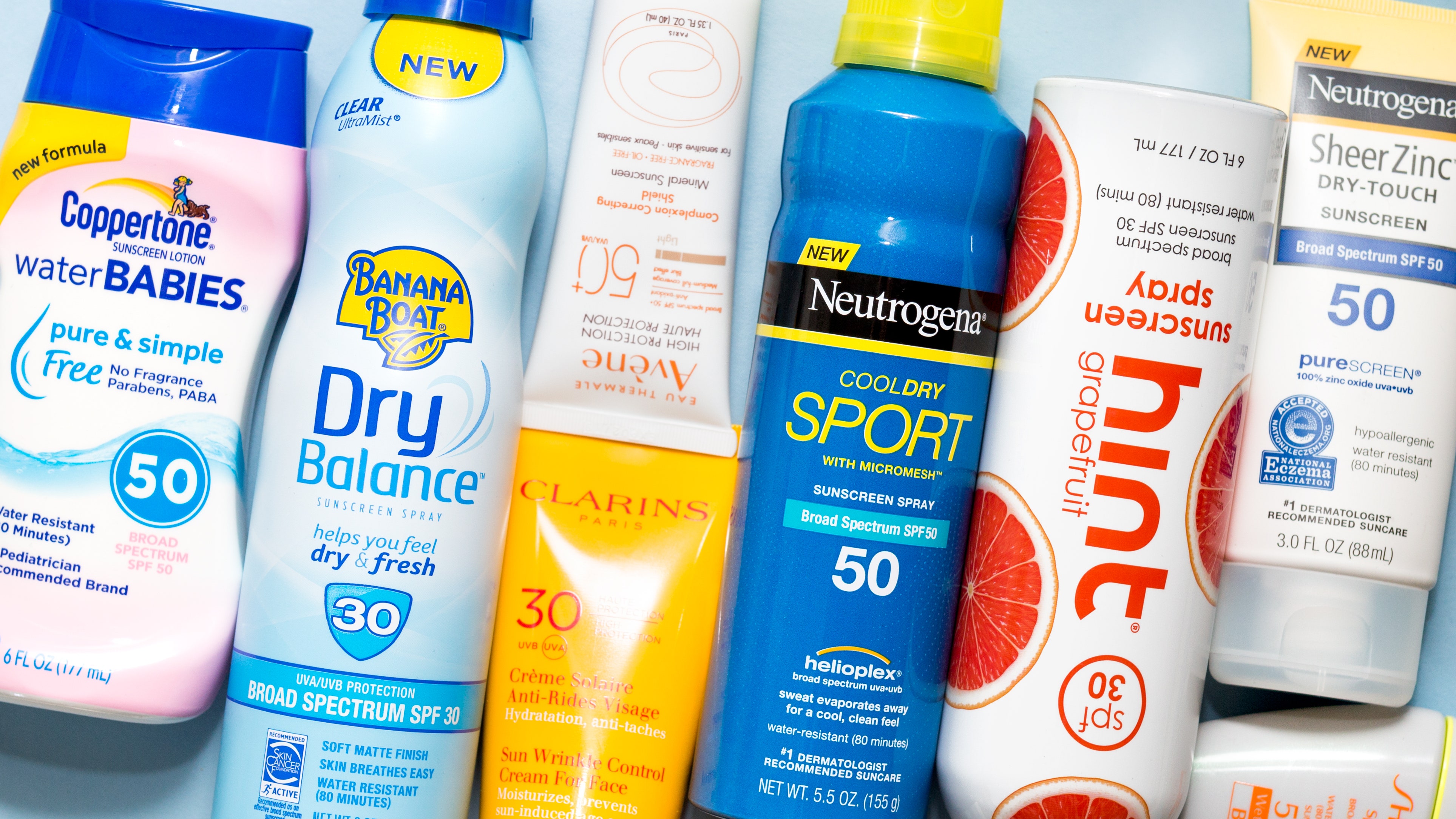
Choosing a great sunscreen starts with the label. Look for broad-spectrum protection, which guards against both UVA and UVB. An SPF number indicates how well it helps prevent burning; aim for SPF 30 or higher for daily wear. If you exercise, swim, or sweat, a water-resistant formula provides a safety net, though you still need to reapply. The active filters matter too. Mineral options often use zinc oxide and titanium dioxide, which sit on top of skin, while chemical filters absorb and dissipate UV energy. Neither is inherently better; choose based on comfort and skin behavior. For breakout-prone complexions, seek non-comedogenic or oil-free notes. Sensitive skin may prefer fragrance-free or mineral-forward blends. If shine bothers you, matte or gel textures can help. Tinted options can minimize a white cast and subtly even tone. Let the label guide you, but your skin's feel and finish should seal the decision.
Choosing your ideal formula
The best sunscreen is the one you love using every day. Start with your skin's needs. For dry or mature skin, a hydrating lotion with ceramides or humectants feels cushiony and helps makeup glide. Oily or acne-prone types often enjoy lightweight gel or fluid textures that set to a soft matte finish and minimize slip. If your skin is reactive, mineral filters such as zinc oxide can be soothing, and fragrance-free formulas reduce the chance of irritation. For deeper skin tones, a tinted sunscreen can curb any potential cast and doubles as a tone-evening base. Outdoor workouts benefit from water-resistant sticks or creams that do not run into eyes. Sprays can help with hard-to-reach spots on the body, but always finish by rubbing them in for even coverage. Keep a smaller tube in your bag and a larger one at home so you never skip a day. Comfortable texture plus convenience keeps consistency effortless.
Application made easy
Correct application is where protection becomes performance. For the face and neck, the two-finger rule is a handy guide—run a generous strip of sunscreen down two fingers, then apply it evenly to face, ears, and neck. For the body, think in teaspoons per area, ensuring full coverage for shoulders, chest, arms, and legs. Apply to clean, moisturized skin and wait a moment before makeup so the film can set. Chemical filters usually perform best when applied 15 minutes before sun exposure, while mineral options start working as soon as they are evenly distributed. Do not forget often-missed zones—hairline, around the eyes, tops of ears, hands, and feet. Use a dedicated SPF lip balm for the lips. Reapply every two hours, and immediately after swimming, sweating, or towel-drying. If you are outside all day, set reminders. Generous, even layers are more important than chasing the highest SPF on the shelf.
Working with makeup and skincare
Sunscreen plays well with the right partners and order. In the morning, think: cleanse, apply antioxidant serum if you use one, moisturize if needed, and then apply sunscreen as the final care step before makeup. Avoid mixing sunscreen into moisturizer or foundation, as this can dilute coverage. Instead, let sunscreen set for a minute, then layer primer or makeup on top with gentle pressing motions. If your base product includes SPF, treat it as a bonus rather than your sole defense—you still need a full layer of dedicated sunscreen. For touch-ups, consider SPF powders or mists designed for reapplication over makeup, and always blend to avoid patchiness. Choose textures that complement your skin: dewy formulas for dryness, mattifying for oil, and tinted options to streamline steps. The goal is comfortable wear that encourages daily use, so your sunscreen supports both skin health and the polished finish you enjoy.
Habits and myths to remember
Smart sun behavior amplifies your sunscreen's protection. One common myth is that deeper skin tones do not need sunscreen. All skin benefits from broad-spectrum protection to maintain an even tone and safeguard long-term health. Another misconception is that cloudy days are safe—up to a significant portion of UVA filters through. Higher SPF does not mean all-day coverage; reapplication remains essential, especially after sweat or water. Complement sunscreen with shade, hats, and UV-protective clothing when practical, and rotate your position if you lounge outdoors to avoid hot spots. Store sunscreen in a cool place to preserve its stability; excessive heat can thin the texture and reduce reliability. If the product smells off, separates, or changes color markedly, replace it. Make it easy: keep a tube by the door, one in your bag, and one in the car's interior compartment away from direct sun. Consistency, not perfection, delivers the biggest results.