Sustainable Shopping: Choose Better, Waste Less
Spend smarter, waste less. Learn practical ways to choose durable, low-impact goods, cut packaging, and build habits that make every purchase count.
Rethink the Cart
Shopping sustainably begins with a mindset shift from impulse to intentional choices. Before adding anything to your cart, pause to clarify needs vs wants and define the purpose the item must serve. Create a wish list and apply a short cooling-off period so excitement can settle and real priorities surface. Set a realistic budget aligned with your values, then plan purchases around it rather than chasing flash deals. Compare options using criteria such as functionality, repair support, and end-of-life outcomes. Ask whether you already own something that can be borrowed, repaired, or repurposed to meet the need. Notice emotional triggers—scarcity language, limited-time offers, or social pressure—and replace them with a simple checklist. When in doubt, sleep on it. This disciplined approach not only reduces waste, it strengthens confidence in every purchase, ensuring your money backs products and practices that reflect the kind of world you want to support.
Buy for the Long Run
Sustainable shopping thrives on life-cycle thinking—considering how an item is made, how it performs, and what happens when you are finished with it. Favor products designed for durability, repairability, and modularity, with parts that are easy to replace and clear care instructions that lengthen lifespan. Neutral colors and timeless design stretch relevance across seasons and trends, while classic silhouettes pair more easily with what you already own. Verify materials for strength, safety, and recyclability, then plan the maintenance routine—washing, conditioning, sharpening, or oiling—so the item remains useful. Prioritize multi-use designs that reduce the need for duplicates and consider how the product can be resold, donated, or recycled at end-of-life. When you treat the purchase as a long-term relationship rather than a quick thrill, you reduce turnover, save money, and cut the hidden environmental cost of frequent replacements.
Packaging Matters
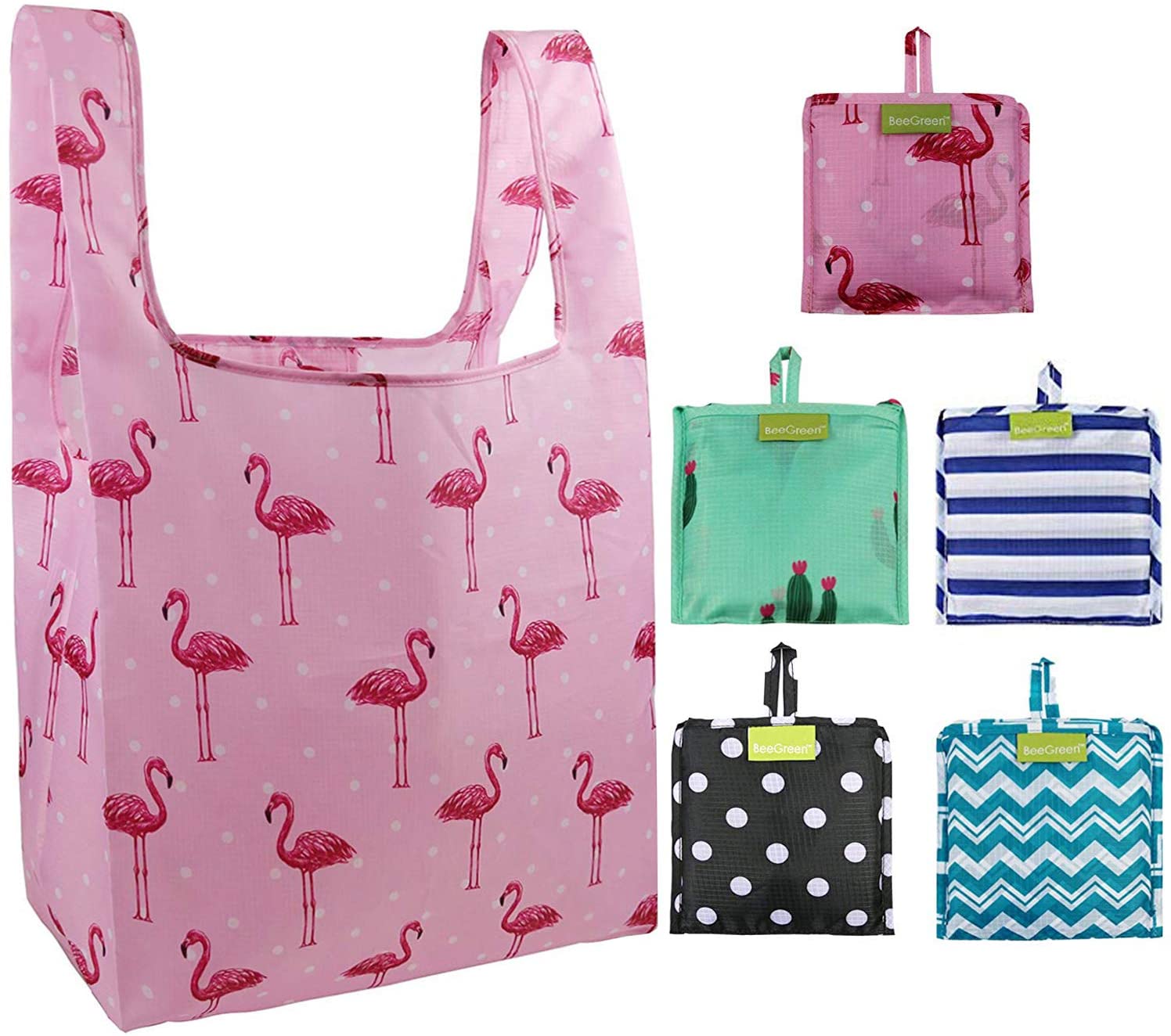
What surrounds your product is often as impactful as the product itself. Seek items with minimal packaging, avoiding excessive plastic and mixed materials that complicate recycling. Choose refill formats and bulk options where possible, and prefer concentrated formulas that deliver more uses per container. Look for packaging made from recycled content and materials that are widely recyclable or compostable in your area. If available, select returnable containers or local refill stations to keep materials circulating. Consider how the item will be shipped: right-sized boxes, plastic-free cushioning, and consolidated deliveries reduce resource use and emissions across the supply chain. Bring your own reusable bags, jars, and produce sacks to cut single-use waste at checkout. By elevating packaging to a key purchasing criterion, you encourage brands and retailers to keep resources in flow, while you spend less time sorting bins and more time enjoying smarter, lighter choices.
Invest in Quality
A core strategy for waste reduction is embracing quality over quantity. Calculate cost per use to compare options: a well-made item that lasts for hundreds of uses often outperforms a cheaper alternative replaced multiple times. Examine stitching, seams, zippers, finishes, and the overall heft of materials. Check for warranty coverage and the availability of spare parts to ensure long service life. Prioritize fit and adjustability so you actually reach for the item often; tailor, hem, or resole when it extends useful life. Build a basic maintenance kit—fabric shaver, stain remover, wood polish, screwdriver set—so small fixes are easy and timely. Choose versatile designs that layer or stack with your existing pieces, limiting redundancy. When you commit to quality, you reduce clutter, lower total spending, and send a signal across the marketplace that durability and repair are features worth paying for.
Smart Grocery and Household Habits
Food and household shopping offer abundant opportunities to waste less without sacrificing satisfaction. Start with meal planning and a realistic inventory check so purchases align with what you will actually use. Store items properly, apply a first in, first out approach, and freeze portions to extend freshness. Opt for bulk bins for staples, using reusable containers to avoid single-use packaging. Explore produce that is perfectly good despite irregular shapes; flavor and nutrition do not depend on appearances. Buy concentrates or refill pouches for cleaning and personal care to cut plastic. Choose durable cloths, sponges, and razor systems with replaceable heads. Learn basic repair and maintenance for small appliances to avoid premature replacement. Track what gets thrown away and adjust future lists accordingly. These habits save money, reduce trips, and dramatically shrink your household waste stream, all while keeping the pantry stocked with purposeful, flexible essentials.
Greener E-Commerce Choices
Online shopping can be part of a sustainable routine when approached with intention. Build baskets thoughtfully and opt for consolidated shipping to reduce packaging and transport impact. When available, choose click-and-collect to eliminate failed deliveries and extra miles. Review sizing guides, detailed product descriptions, and customer feedback to minimize returns, which carry a heavy logistical footprint. Resist over-ordering with the plan to send items back; free returns are not free for the planet. Select standard shipping over rushed options that disrupt efficient routing. Ask for plastic-free packing notes at checkout if the store allows, and save digital receipts for streamlined records. If a product does not fit your needs, consider reselling locally or exchanging rather than initiating a multi-leg return. With small adjustments to how and when you click buy, you keep convenience while steering demand toward more responsible fulfillment practices.
Join the Circular Loop
Sustainable shopping extends beyond new purchases; it thrives in a circular economy where value circulates. Explore secondhand markets, rental services, and item swaps to meet needs without creating new production. Borrow tools you use rarely, share seasonal gear with neighbors, and visit community repair events to keep items in service. When you no longer need something, donate thoughtfully, ensuring it is clean, functional, and seasonally appropriate, or resell to give it a new life. Keep a small toolkit and learn simple fixes—re-stitching, gluing soles, lubricating hinges—that massively extend utility. Organize your space to showcase what you own, reducing duplicates and impulse buys. Track outgoing and incoming items so your home remains curated, not crowded. Each action—sharing, repairing, repurposing—reduces waste, supports local networks, and transforms shopping from a linear transaction into a durable, resource-smart practice that benefits everyone.