Tailoring Tricks: How Fit Transforms Your Look
Great style starts with fit. Learn simple tailoring moves that sharpen your silhouette, elevate basics, and make every outfit look custom-made.
The Power of Fit: The most reliable style upgrade is not a trend or a label; it is fit. When clothes skim rather than squeeze, when shoulder seams align at the edge of your shoulders, and when hemlines fall with intention, your whole silhouette sharpens. Good proportion creates visual harmony: a jacket that nips slightly at the waist, trousers that drape cleanly, a dress that follows the body without clinging. This harmony reads as polished, even if the garment itself is simple or affordable. Proper fit also enhances comfort, letting you move naturally and project ease. The result is a look that appears thoughtfully composed, not accidental. Clever tailoring elevates ready-to-wear, correcting the small gaps between standard sizing and real bodies. Think of fit as the frame of a painting: the right frame makes everything inside look more valuable. Invest time in understanding your dimensions, and your wardrobe will feel curated rather than crowded.
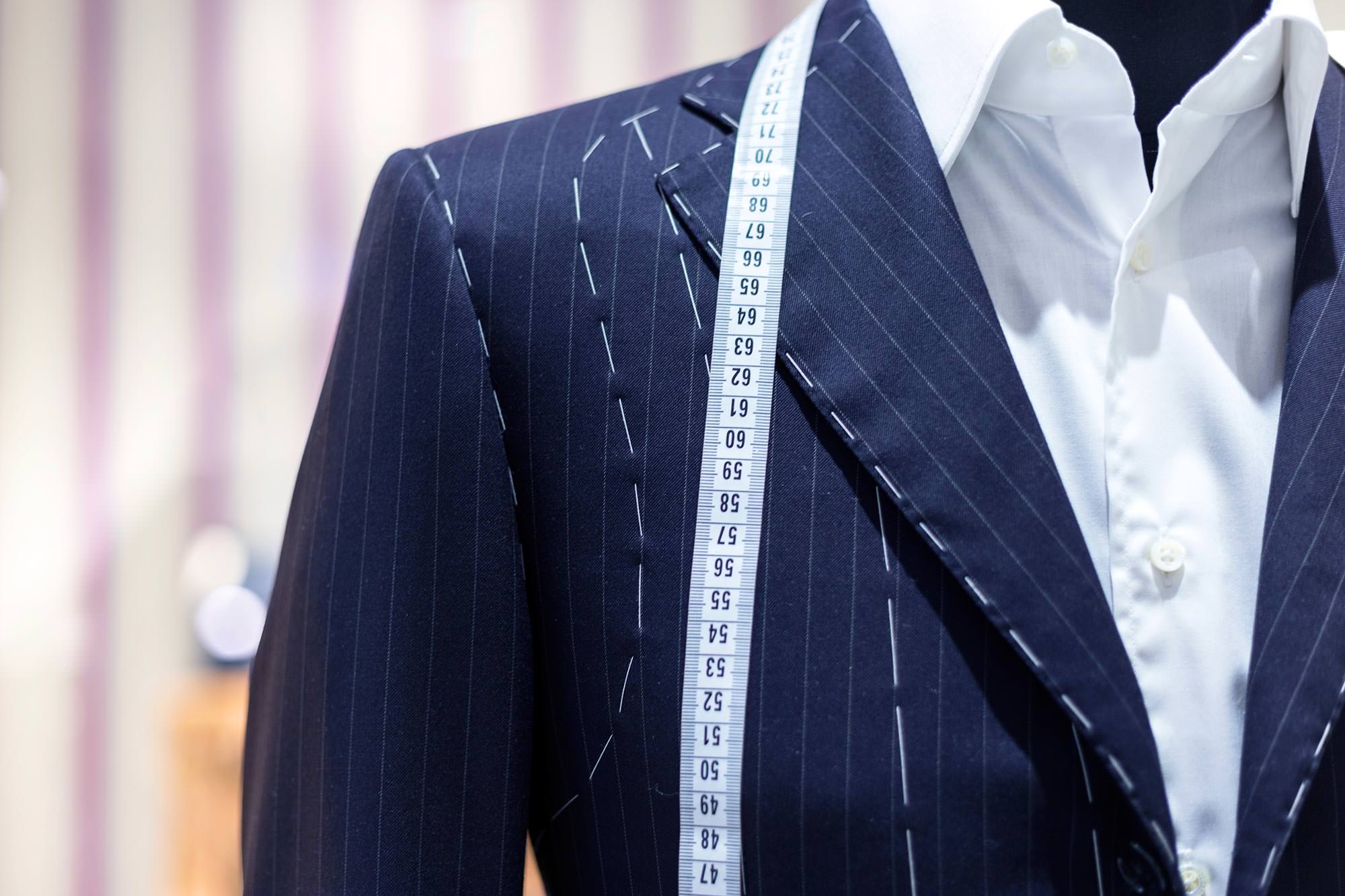
Proportion Rules: Getting proportion right is the core of how fit transforms your look. A useful guideline is the rule of thirds: aim to divide your body visually into balanced segments rather than halves. High-rise bottoms with slightly cropped jackets lengthen the legs; longer tops with slim trousers elongate the torso. Watch the break of trousers at the shoe—minimal break keeps lines crisp—while sleeve length should graze the wrist bone for precision. Use vertical lines to elongate, from seams and pleats to long cardigans or open shirts worn as layers. Strategic taper at the ankle or sleeve removes visual bulk, sharpening edges without constricting movement. Belts and waist placement are powerful; a higher belt shifts the eye upward, while a lower belt relaxes the line. Tuck or half-tuck to adjust visual balance, and coordinate shoe vamp height with pant length to maintain flow. Every choice composes a clean silhouette that looks intentional and refined.
Measure Smart: Precise measurements turn guessing into strategy. Track the essentials: shoulders seam to seam across the back, chest at the fullest point, waist at the natural narrowest spot, seat at the fullest hip, rise from front waist through the crotch to back waist, inseam from crotch to desired hem, sleeve from shoulder point to wrist bone, and back length from nape to hem. Note your preferred ease—the space between body and garment—because wearing ease (comfort) differs from design ease (style intent). Two garments with the same labeled size can fit differently, so record actual garment measurements that you like and compare when shopping. Keep a small fit log on your phone with ranges for jackets, shirts, trousers, and dresses. When you can, measure a best-fitting piece at home and use that as a benchmark. The payoff is fewer returns, better choices online, and quicker decisions in-store, all leading to a consistent, flattering silhouette.
High-Impact Alterations: A few targeted tailoring moves deliver the biggest visual returns. Hemming trousers to the right break instantly sharpens lines; shortening sleeves to the wrist bone refines a jacket or shirt. Gentle taper through the leg or sleeve trims bulk, while adding or deepening darts defines the waist without restricting movement. Taking in a waistband at the center back or side seams prevents gaping; letting it out a touch can improve comfort and drape. Repositioning a button can close a blouse cleanly across the chest. For dresses and skirts, adjusting side seams or darts creates a smooth hip and steady hem. Some fixes are tougher: shoulders and collars in tailored jackets are complex and can be costly; approach them only if the piece is worth it. Always request proper pressing, as crisp edges make alterations look invisible. Prioritize alterations that create clean lines, balanced proportion, and effortless movement.
Garment-Specific Cues: Each category follows distinct fit cues. Blazers and suits should sit clean across the shoulders with a gentle collar roll; if the shoulders are too big or small, the whole silhouette suffers. Armholes slightly higher allow easier movement and a neater profile. Shirts and blouses benefit from smooth buttons with no pulling; bust darts or princess seams should align with your shape, not float above or below it. Trousers require clean rise and seat: no whiskering, no drooping, and a straight fall through the thigh. For denim, check the stretch and recovery; a subtle taper can modernize the leg without going tight. Dresses should skim the waist and hip with an even hem; adjust straps so the neckline sits where intended. Skirts should sit level, with enough room to walk comfortably. Outerwear needs space for layers yet should maintain its outline—sleeves that show a hint of cuff and hems that balance your height keep the look intentional.
Comfort in Motion: Real life is not a fitting room pose; fit must support action. Test range of motion: reach forward, sit, climb a step, and check if seams pull or hemlines ride uncomfortably. Look for functional details that enable comfort without bulk—back vents in blazers, side slits in tops, gussets under arms, pleats at the yoke, and slight stretch in wovens. Choose ease that matches your day, whether commuting, desk work, or more active routines. Plan for layering by allowing space under jackets and coats without losing silhouette. Pre-wash or steam when appropriate to reveal subtle shrinkage before hemming. Consider footwear height, as it changes trouser break and dress proportions. If your weight fluctuates, ask a tailor to leave generous seam allowances or add discreet adjusters. The best fit moves with you, keeping lines clean while letting you breathe, so your outfit looks composed from morning to night.
Your Fit Strategy: Treat fit as an ongoing practice, not a one-time task. Build a simple checklist: shoulders, chest, waist, rise, length, sleeves, and movement tests. Use a three-way mirror, take quick photos, and decide by how the silhouette reads from multiple angles. Keep a small rotation of well-fitted staples—trousers, a sharp blazer, a versatile dress, polished shirts—and tailor them to your preferences. Find a trusted tailor and communicate clearly, bringing the shoes and layers you plan to wear with the garment. Set a realistic budget and timeline for alterations, prioritizing pieces you reach for often. Maintain garments with proper pressing and storage so seams and lines stay crisp. If an item cannot achieve good proportion despite effort, let it go and refine your standards. Over time, your closet will become a cohesive toolkit where every piece supports your shape, your lifestyle, and the confident presence you want to project.