The Automation Upshift: Human + Machine Collaboration at Work
Automation isn't replacing people; it's reshaping work. Learn how human-machine collaboration boosts productivity, safety, and innovation—responsibly.
The New Division of Labor. The automation upshift is a defining trend reshaping how work gets done, not by replacing humans, but by reallocating effort to where each side excels. Humans bring creativity, contextual judgment, and empathy; machines contribute speed, scale, and consistency. The most durable advantage emerges when teams design for complementarity rather than pure substitution. In this model, routine processing and pattern detection anchor machine contributions, while nuanced problem framing and relationship building sit with people. The result is a new division of labor where digital copilots surface options and humans decide, where algorithms forecast and humans set thresholds, and where automated checks guard quality while people manage exceptions. This shift is not a single leap but a steady upshift driven by data abundance, improved tooling, and rising expectations for real‑time decisions. The organizations leaning into this motion are reframing roles, rebalancing workloads, and building systems that make it easy to plug human judgment into automated flows at the right moment.
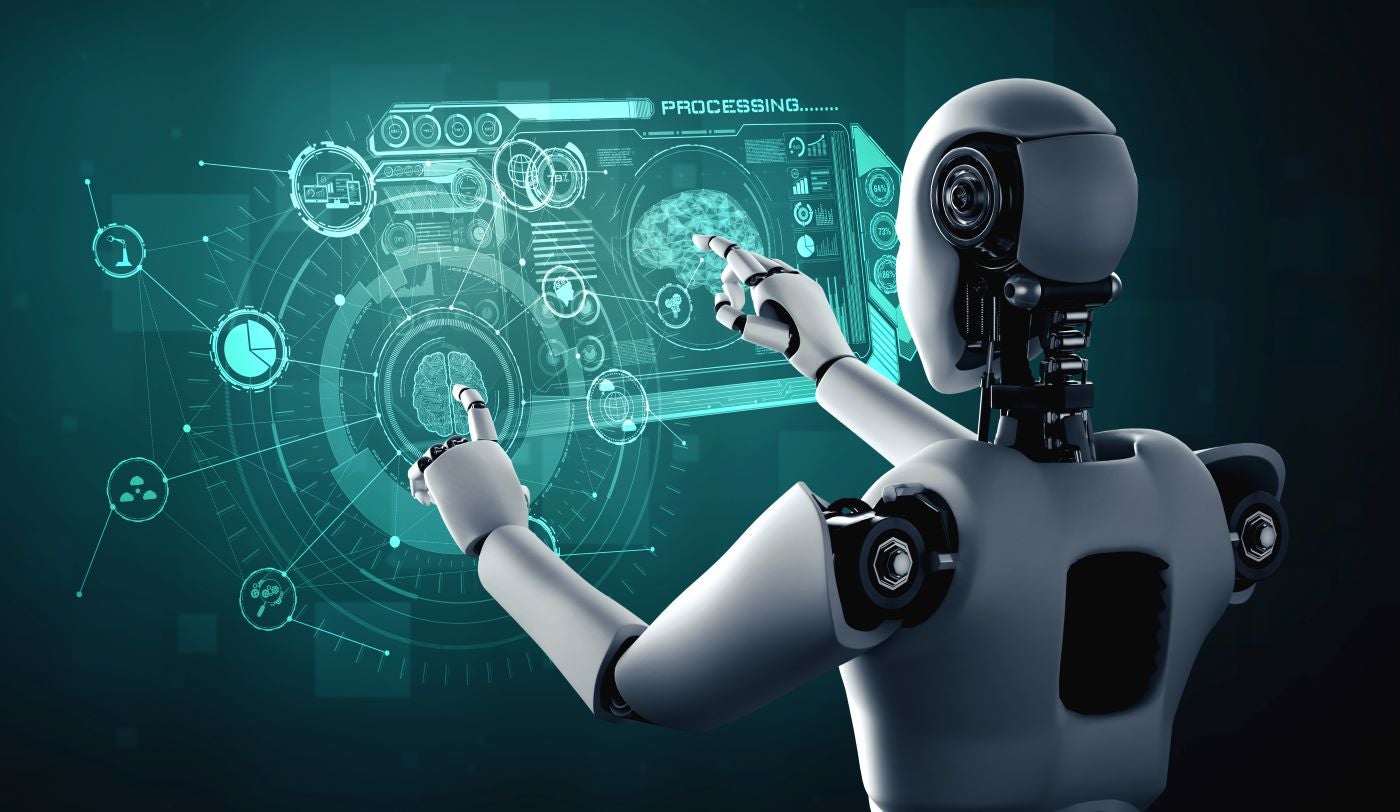
From Tasks to Workflows. Early automation efforts focused on discrete tasks; the emerging trend is orchestration across end‑to‑end workflows. Instead of asking what can be automated, leaders now ask where automation and human input should be sequenced for the best outcome. In customer support, models handle triage, propose responses, and summarize context, while agents provide tone, empathy, and final approval. In product development, generative tools explore solution spaces and draft variants, while teams refine choices based on feasibility and brand guardrails. In financial operations, systems reconcile transactions, flag anomalies, and generate explanations; analysts validate edge cases and interpret business implications. Each workflow benefits from human‑in‑the‑loop checkpoints that convert opaque automation into transparent collaboration. The practical pattern is propose, review, and commit, with clear escalation paths for uncertainty. By instrumenting these flows with intent labels, quality criteria, and feedback hooks, organizations move beyond isolated efficiencies to compounding gains that accrue across the entire value chain.
Skills Portfolio, Not Job Titles. As human and machine collaboration deepens, careers evolve from fixed titles to a dynamic skills portfolio. The standout trend is a shift toward T‑shaped and even comb‑shaped talent profiles that blend domain depth with fluency in data literacy, prompt design, workflow orchestration, and model evaluation. Professionals who can frame problems, specify constraints, and interpret model outputs become force multipliers for their teams. This does not demand everyone become an engineer; it requires shared concepts, common language, and confidence working with automated partners. Practical development programs focus on micro‑skills such as crafting effective prompts, reading uncertainty signals, designing decision checklists, and conducting lightweight experiments. Pairing these with domain expertise enables workers to steer tools, not merely consume them. Organizations reinforce the shift through visible playbooks, peer demos, and recognition that rewards judgment, adaptability, and collaboration. Talent mobility follows, as people apply the same hybrid skills across functions, accelerating innovation while widening access to high‑impact work.
Trust, Transparency, and Governance. Collaboration scales only when there is trust in the system. The leading trend is moving beyond ad hoc controls to integrated governance that balances speed with safety. Teams are defining what good looks like for accuracy, fairness, and resilience, then encoding those standards in process and tooling. That includes audit trails for critical decisions, documented data sources and transformations, and clear ownership for model updates. Transparency matters at every layer, from plain‑language explanations for end users to technical diagnostics for reviewers. Human oversight is deliberate, with thresholds that trigger review and escalation paths for novel cases. Bias and privacy risks are assessed routinely, not episodically, and mitigations are tested in real workflows. Importantly, governance is framed as an enabler of scale, not a brake on progress. When people can see how decisions are made, why exceptions occur, and how feedback changes behavior, they engage more fully and the system improves faster.
Designing Hybrid Work Systems. Successful adoption hinges on thoughtful experience design that places humans at the center of automated flows. A rising trend is to treat automation as a collaborator with a role, a voice, and clear responsibilities. Interfaces highlight intent, present ranked options, and capture rationales so decisions are auditable and teachable. The core loop is propose, confirm, and commit, supported by reversible actions and contextual hints. For complex work, structured inputs, reference checklists, and examples reduce ambiguity; for creative work, divergent prompts and style controls expand exploration before converging on a final choice. Operationally, teams define error budgets, staged rollouts, and sandbox environments that let them explore safely. Telemetry surfaces where humans intervene most, guiding targeted improvements. Documentation is practical and living, paired with embedded tutorials and just‑in‑time tips. The payoff is a resilient hybrid system where people feel in control, automation is predictable, and knowledge compounds through every interaction.
Measuring Impact and Sustaining Momentum. What gets measured shapes the journey. The emerging trend is a balanced scorecard that tracks productivity, quality, risk, and experience together. Beyond cycle time and throughput, teams monitor variance reduction, first‑pass accuracy, exception rates, and customer sentiment. They also measure developer and operator effort required to maintain workflows, because sustainable gains depend on manageable complexity. Leading indicators include prompt reuse, feedback incorporation time, and reduction in manual handoffs; lagging indicators capture business outcomes such as conversion, retention, or cost to serve. Regular reviews close the loop, with insights flowing into updated playbooks and shared patterns that other teams can adopt. Communities of practice keep learning visible and prevent tool sprawl by standardizing around proven approaches. By treating automation as a product with a roadmap, not a one‑off project, organizations sustain momentum, build trust through evidence, and keep humans firmly at the helm of increasingly capable machines.