The Beginner's Guide to Cashback and Rewards Programs
Learn how cashback and rewards programs work, the best types to use, and simple steps to maximize savings without overspending or fees.
Understanding Cashback and Rewards
Cashback and rewards programs turn everyday shopping into small returns, giving you value for purchases you already planned to make. With cashback, a portion of each transaction is returned as cash, a statement credit, or a deposit to your account. With points or miles, you earn units that can be redeemed for travel, gift cards, or merchandise. Many retailers also run store loyalty programs that track purchases and issue coupons tailored to your habits. The big idea is simple: align your normal spending with the right programs so every checkout contributes to a larger goal. Rewards can be earned both online and in-store, and they often stack with sales, manufacturer coupons, or seasonal promotions. Be mindful that rewards are not free money; they are incentives designed to influence behavior. Use them to lower your cost of shopping, not to justify impulse buys. When managed intentionally, rewards can build quietly in the background and reduce the price of essentials over time.
Choosing the Right Programs
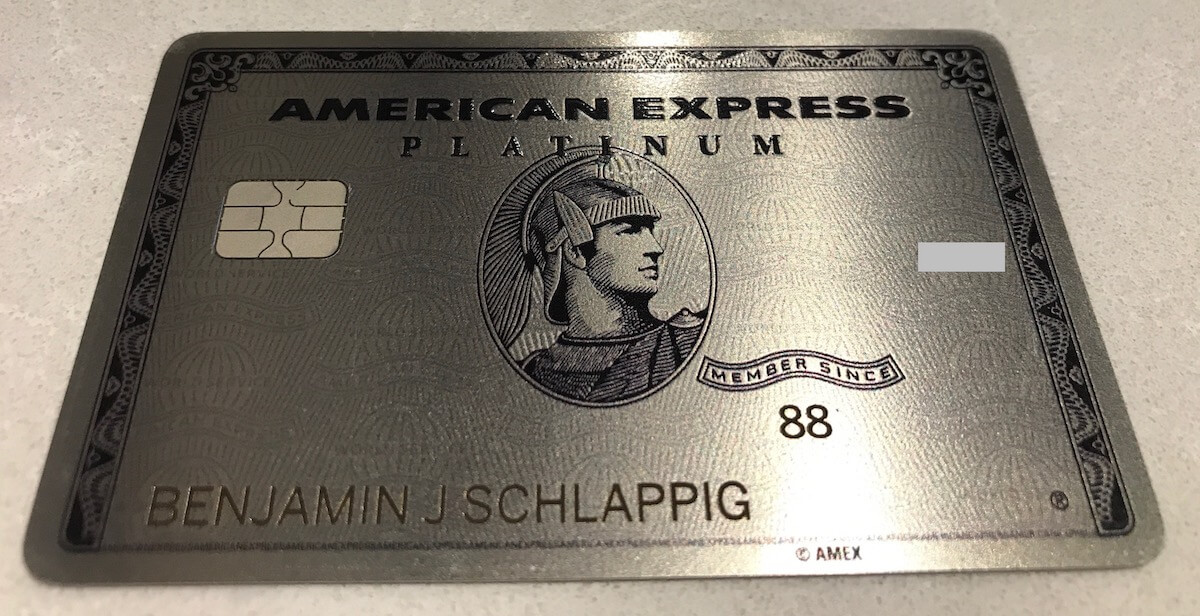
Start by mapping where your money actually goes. If most shopping is groceries, household supplies, or fuel, prioritize programs with category bonuses in those areas. If you travel occasionally, flexible points may suit you better than store-only rewards. Evaluate annual fees, minimum redemption thresholds, and whether rewards expire. Some programs limit earnings with monthly or quarterly caps, or change bonus categories regularly, which may not match your routine. Review how merchants are classified, since merchant category codes can affect whether a purchase earns a bonus. Consider the simplicity factor: a no-fuss cashback card plus a couple of store loyalty accounts often beats juggling a dozen complex options. If you are new, avoid chasing flashy sign-up bonuses that tempt overspending or introduce fees you cannot offset. The right setup should feel natural, complement your shopping habits, and let you earn value without constant micromanagement or confusing rules.
Smart Earning Strategies
Once you pick programs, focus on stacking to maximize every purchase. A typical stack might include a store loyalty program, a shopping portal or app, a card with category cashback, and a relevant coupon or promo code. Time big buys with retailer promotions or threshold offers that trigger extra rewards. For recurring purchases, consider subscriptions only if they truly save money and earn consistent rewards. Use price comparison tools and price matching policies to ensure the base price is competitive before counting the rewards. Avoid buying gift cards you will not use, but consider discounted or bonus gift cards for planned purchases at frequent retailers. Pool rewards with family where programs allow, and automate what you can: set your default payment method, add loyalty numbers to profiles, and save digital coupons before checkout. Keep a simple tracker so you do not forget expiring offers. Most importantly, stick to your list; overspending destroys the value of any strategy.
Redeeming for Maximum Value
Earning is only half the game; redemption determines your real cash value. Generally, statement credits and direct deposits are straightforward, while gift cards and merchandise can be hit or miss depending on pricing. If you use points, compare options; some portals inflate reference prices, making rewards look more generous than they are. Aim to redeem for things you actually need or had already budgeted for. Consider saving rewards for major shopping events or big-ticket items to make a visible dent in costs. When possible, avoid redemptions below set thresholds that reduce value, and mind any fees involved in certain conversions. Keep an eye on expiration policies, and set reminders to use points before they lapse. Do not hoard indefinitely; rewards can be devalued by program changes. Think in terms of opportunity cost: are you getting more value by waiting, or would cash today better support your budget and shopping plans?
Safety, Ethics, and Long-Term Habits
Responsible rewards use starts with pay-in-full habits; interest and late fees erase benefits fast. Shop with privacy in mind by reviewing data-sharing settings and opting out where possible. Enable security features like transaction alerts, strong passwords, and virtual card numbers for unfamiliar retailers. Read terms and conditions so you understand return policies, how refunds affect rewards, and whether clawbacks could occur after a return. Keep records of major purchases and redemptions to simplify dispute resolution. Avoid gaming systems with excessive returns or policy abuse; ethical participation protects access for everyone. Consider sustainable shopping principles: buy durable items, repair when practical, and apply rewards toward essentials rather than clutter. Periodically audit your programs; close unused accounts carefully to preserve older points and your credit profile where relevant. Used thoughtfully, cashback and rewards become a supportive tool that reinforces good budgeting, lowers the total cost of shopping, and keeps your focus on value rather than novelty.