Wildlife Encounters That Respect Nature
Choose wildlife experiences that protect habitats and livelihoods. Travel gently, keep your distance, and support operators who put animals first.
Ethical Choices
Selecting wildlife experiences begins long before you step onto a trail or board a boat. Seek operators who center ethical practices and wildlife welfare, making it clear that animal needs come first. Look for signs such as no contact policies, limits on group size, and itineraries that avoid nesting areas during sensitive seasons. Transparent briefings, trained guides, and clear safety protocols reflect a commitment to responsible tourism. Ask how viewing distances are enforced, whether feeding or baiting is prohibited, and how the company contributes to habitat protection. True caretakers welcome questions and will share how fees support rangers, research, and local communities. Read reviews carefully, prioritizing mentions of small-group approaches, quiet observation, and leave no trace behavior. If an experience promises guaranteed sightings regardless of weather or migration patterns, consider it a red flag. Choosing with care not only enriches your trip but also signals demand for nature-positive travel that sustains the wild places you came to see.
Respectful Distance
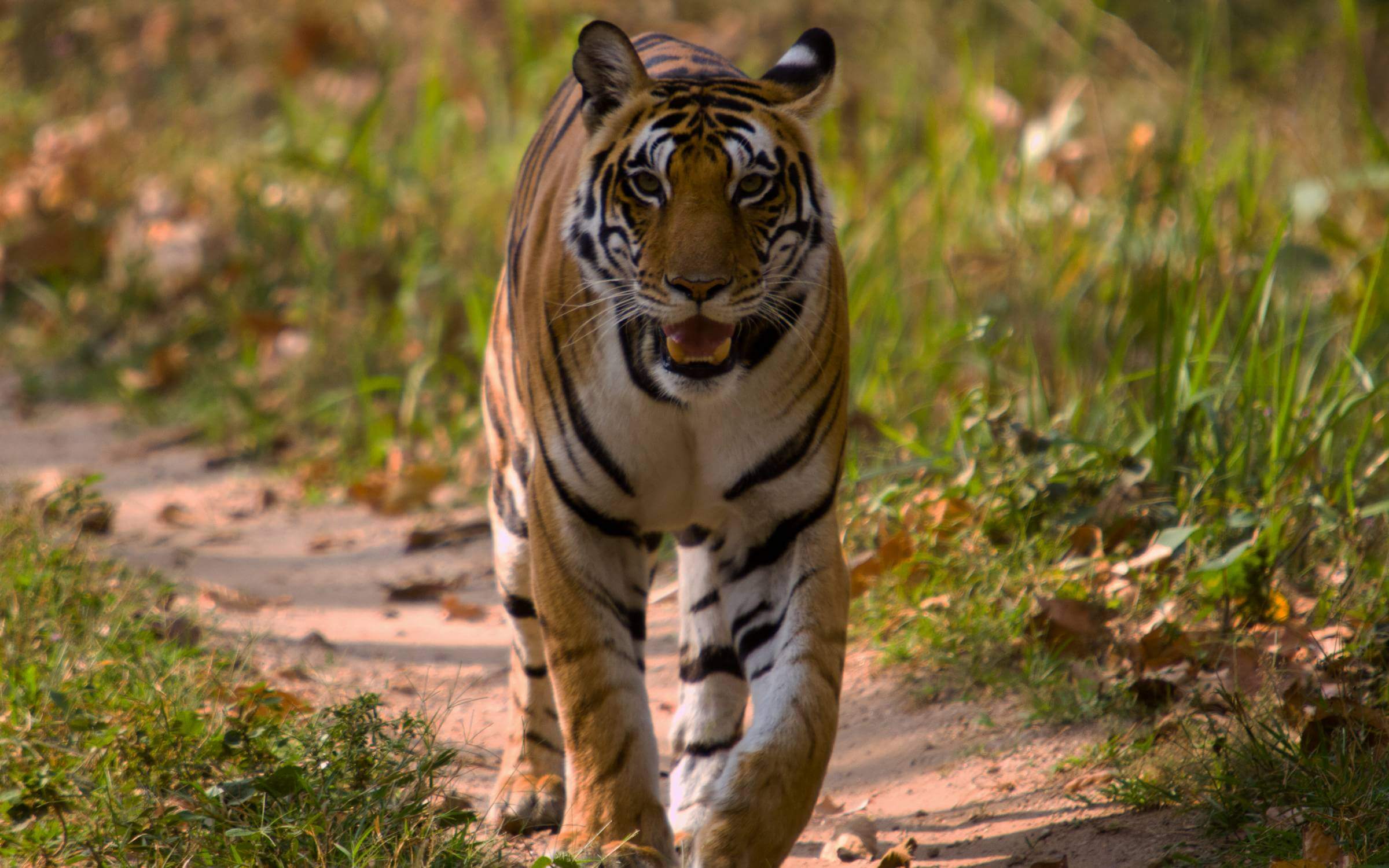
Wild animals thrive when humans remain unobtrusive. Keep a safe distance that allows natural behavior to continue, using binoculars or a long lens so you can enjoy the moment without intruding. Move slowly, speak softly, and let guides set the pace. Avoid blocking paths, surrounding an animal, or cutting off access to water or cover. If a creature changes posture, vocalizes repeatedly, or alters its route, you are too close. Step back and reassess. For photos, use no flash, optimize camera settings for low light, and resist the urge to coax movement or eye contact. Observe from established platforms or hides, and remain on designated trails to protect fragile vegetation and reduce stress. In vehicles, stay on marked tracks and give animals the right of way. When in doubt, increase distance. Patience rewards you with intimate insights, from grooming rituals to foraging strategies, while keeping encounters peaceful, safe, and truly respectful.
Local Partnerships
Wildlife tourism flourishes when community-based tourism leads the way. Hiring local guides taps into traditional knowledge about seasons, tracks, and behaviors that no app can replicate. Choose lodges and tours with fair compensation, clear training pathways, and tangible support for schools, clinics, or ranger programs. Many destinations operate under permit systems; respect permits and quotas that maintain healthy populations and fund conservation. Learn a few local phrases, ask about land stewardship practices, and follow cultural protocols that align with community values and animal welfare. When purchasing crafts or food, favor locally sourced options that celebrate regional heritage and reduce transport impacts. Tip fairly, and recognize that your presence is part of a broader economic picture. By prioritizing local ownership and equitable partnerships, your trip amplifies voices on the front lines of conservation. The result is a richer journey and a resilient landscape where people and wildlife both benefit.
Light Footprint
Sustainable wildlife encounters start with a low-impact mindset. Pack reusable bottles and containers, choose solid toiletries, and minimize single-use plastics. Clean your boots and gear between sites to prevent hitchhiking seeds or pathogens, a simple biosecurity habit with big benefits. Stick to trail etiquette: walk single file on narrow paths, yield to wildlife and uphill hikers, and avoid widening tracks. On coasts and reefs, wear reef-safe sunscreen or protective clothing to reduce chemical runoff. In boats or vehicles, keep speeds low, engines idle briefly, and voices down to reduce noise pollution. Carry out all waste, including food scraps that can attract animals and alter diets. Consider lower-energy activities like paddling or hiking over motorized options when feasible. Power your devices with a compact solar charger instead of relying on generators. Small decisions add up, helping fragile habitats stay intact and ensuring your adventure treads lightly across the places you came to admire.
Responsible Captures
Great images tell stories without causing harm. Use long lenses, stabilize with a beanbag or monopod, and rely on quiet continuous focus to avoid disruptive movement. Follow drone regulations strictly, and when in wildlife zones, assume ground-based photography unless you have explicit authorization. Practice no baiting, no call playbacks, and no flash for nocturnal or sensitive species. Protect animals by disabling geotagging on shots of nests, dens, or rare sightings, sharing locations only with trusted conservation teams when appropriate. Compose for behavior, habitat context, and authentic light rather than coaxing poses. If an animal looks at you repeatedly or breaks routine, you are too close; step back. When posting, pair images with storytelling for conservation, highlighting guidelines followed, local stewardship, and actionable tips for other travelers. This approach turns your gallery into an educational tool, inspiring curiosity while reinforcing the principle at the heart of ethical travel: do no harm.